Selecting the right wall material is one of the most important decisions in any construction or renovation project. A fiber cement board and gypsum board are two of the most commonly used wall solutions in the building industry, but they serve different purposes and offer distinct advantages and limitations. Understanding the differences between these materials helps you make an informed choice that aligns with your project requirements, budget, and long-term performance expectations.
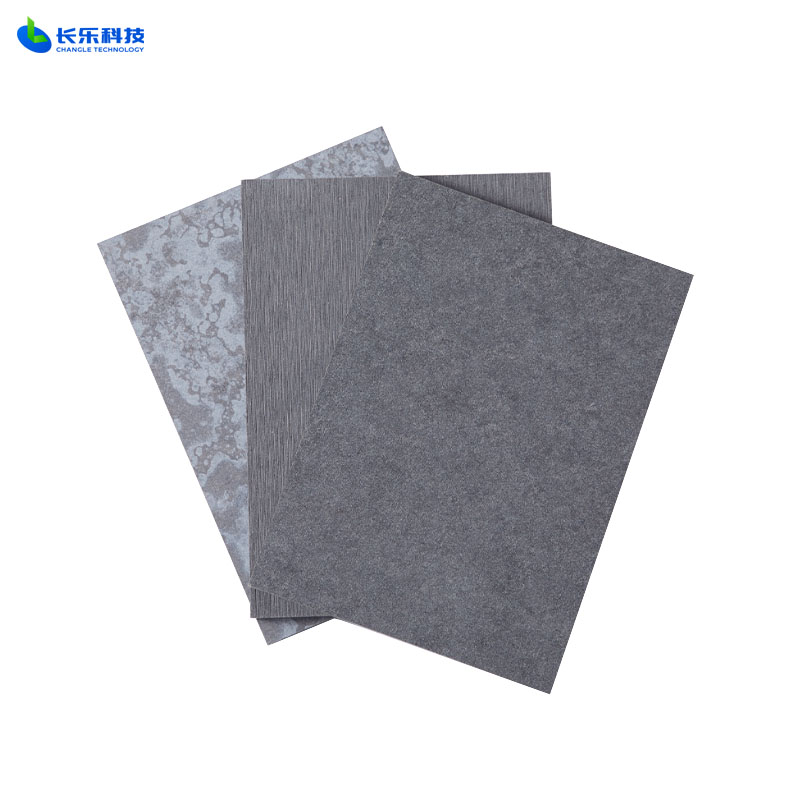
A fiber cement board is engineered from cement, cellulose fibers, and silica, creating a composite material that resists moisture, fire, and impact far better than traditional drywall. Gypsum board, commonly known as drywall, consists of a gypsum core sandwiched between paper layers and remains the industry standard for interior walls due to its ease of installation and cost-effectiveness. This comparison explores the characteristics, performance metrics, and ideal applications of both materials to help you determine which solution best serves your specific wall construction or renovation needs.
A fiber cement board combines portland cement as the primary binder with reinforcing cellulose or synthetic fibers, creating a dense and rigid composite. This construction gives fiber cement board exceptional structural integrity and dimensional stability across temperature and humidity fluctuations. The fiber cement board formulation also incorporates silica and other mineral aggregates to enhance durability and fire resistance, making it suitable for environments where standard drywall would deteriorate rapidly.
Gypsum board features a non-combustible gypsum core encased in fire-resistant paper facings on both sides. This straightforward construction allows gypsum board to be lightweight, easy to cut, and simple to install with standard tools and techniques. However, the paper facing on gypsum board remains vulnerable to moisture penetration, and the gypsum core itself can soften or crumble when exposed to sustained water contact, limiting gypsum board use in high-moisture applications.
One of the most critical distinctions between fiber cement board and gypsum board is moisture performance. Fiber cement board maintains its structural integrity and dimensional stability even when exposed to standing water, high humidity, or direct weather contact, making it ideal for bathrooms, kitchens, exterior soffits, and below-grade installations. In contrast, gypsum board begins deteriorating within hours of water exposure, with the paper facing developing mold and the gypsum core becoming soft and unusable once moisture penetrates beyond surface level. Many building codes now require fiber cement board or cement board in moisture-prone areas where gypsum board cannot provide adequate long-term durability.
Both fiber cement board and gypsum board offer fire-resistant properties, but through different mechanisms. Fiber cement board achieves high fire ratings because the cement matrix itself is non-combustible and does not feed flames, while gypsum board relies on the water content in its core to release steam and slow fire spread. Fiber cement board typically delivers superior fire performance in high-temperature or direct-flame scenarios, while gypsum board satisfies most building codes for standard interior applications when properly installed with compliant fasteners and joint treatments.
Gypsum board remains faster and easier to install than fiber cement board, requiring only basic hand tools and standard framing knowledge. Fiber cement board demands reinforced cutting tools, specialized fasteners, and careful handling to prevent damage during installation, extending project timelines and requiring more skilled labor. For projects where speed and cost control are paramount, gypsum board delivers immediate results; for applications demanding exceptional durability or moisture protection, the additional installation complexity of fiber cement board becomes a worthwhile investment. Many contractors now stock both materials on job sites, selecting fiber cement board strategically for critical areas while using gypsum board elsewhere to optimize overall project economics.
Gypsum board costs considerably less than fiber cement board per square foot, making it the default choice for budget-conscious projects and standard residential construction. However, the lifetime cost calculation often tells a different story: fiber cement board resists deterioration, eliminates moisture-related callbacks and repairs, and maintains property value better in damp climates or high-moisture rooms. Building owners in humid regions or challenging environments frequently discover that the higher initial cost of fiber cement board results in lower total ownership cost through reduced maintenance, mold prevention, and extended service life compared to gypsum board that requires frequent replacement.
Fiber cement board excels in bathrooms, laundry rooms, kitchens, basements, crawl spaces, and any area prone to moisture accumulation or water splash. Exterior applications such as soffit, fascia, or weather-exposed wall surfaces also benefit from fiber cement board durability. Industrial environments, food processing facilities, and commercial spaces requiring superior fire ratings represent another strong use case for fiber cement board. Whenever your project brief emphasizes durability, moisture resistance, or fire performance over initial cost minimization, fiber cement board delivers measurable benefits that justify its premium positioning.
Gypsum board remains the appropriate choice for dry interior walls in living rooms, bedrooms, hallways, and standard office spaces where moisture exposure is minimal and fire codes accept its standard rating. New residential construction, quick renovation projects, and budget-driven commercial build-outs continue to rely on gypsum board because installation speed and cost efficiency align with project economics. Gypsum board also offers superior acoustic properties and easier finishing with joint compound, making it preferred for aesthetic applications where surface appearance and sound absorption matter more than moisture resistance.
Fiber cement board resists water absorption entirely because its cement matrix does not soften or deteriorate when exposed to moisture. The fiber reinforcement prevents cracking and maintains dimensional stability, while gypsum board absorbs water rapidly, causing the paper facing to develop mold and the gypsum core to crumble within days. This fundamental performance difference makes fiber cement board the only practical choice for bathrooms, kitchens, and other moisture-intensive environments where building codes typically mandate cement-based products instead of drywall.
Fiber cement board typically costs 2 to 3 times more per square foot than standard gypsum board, depending on brand, thickness, and regional availability. However, this premium often delivers positive return on investment through eliminated moisture damage, reduced maintenance costs, and extended product lifespan in challenging environments. For dry interior applications, gypsum board remains the more economical choice, but for long-term installations in humid or commercial settings, fiber cement board cost premium often becomes negligible when calculated across 20 to 30 year ownership horizons.
Fiber cement board requires specialized cement-based joint compounds rather than standard gypsum joint mud, as the cement matrix does not bond properly with traditional drywall compounds. The finishing process takes longer and demands more skilled labor because the rigid fiber cement board surface tolerates less sanding and rework than gypsum board. Many professionals primer-paint fiber cement board directly after taping and mudding to minimize finishing steps, while gypsum board allows multiple coats and aggressive sanding for seamless integrated surfaces.
 EN

