Modern buildings face constant pressure to deliver improved thermal performance while maintaining structural integrity over decades. Cladding has emerged as one of the most effective solutions for achieving both energy efficiency and long-term durability simultaneously. When properly installed, cladding functions as an external thermal barrier and weather shield that protects the underlying structure while reducing heating and cooling demands significantly. Understanding how cladding enhances building performance requires examining its thermal properties, protective capabilities, and long-term value contribution to any construction project.
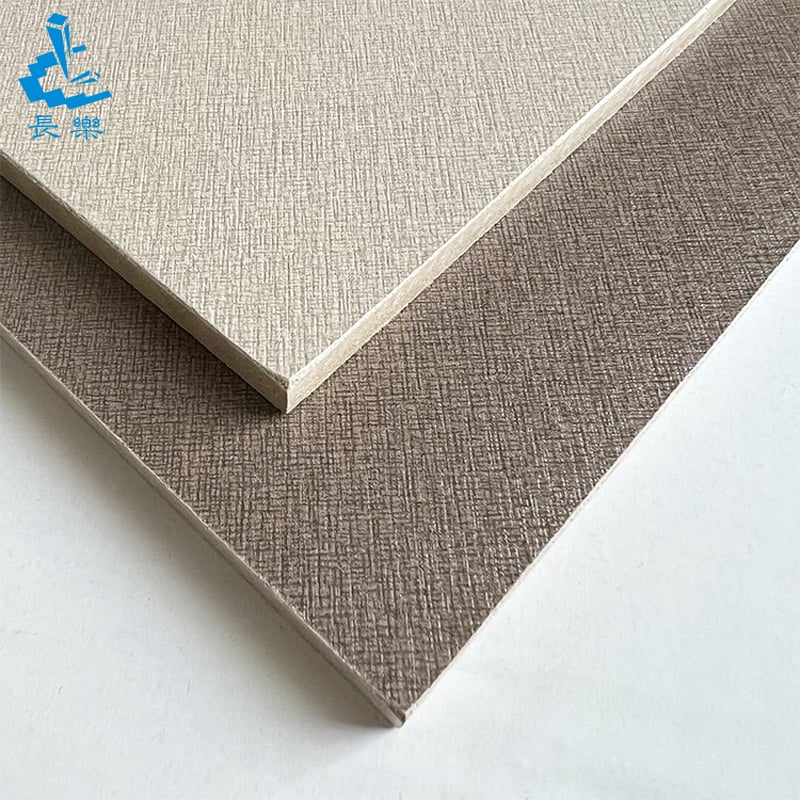
Cladding systems provide a multi-functional envelope that separates interior environments from external weather exposure. Unlike traditional single-layer wall systems, cladding creates an air gap and thermal layer that dramatically reduces unwanted heat transfer. This thermal bridge interruption is fundamental to how cladding improves building energy efficiency across residential, commercial, and industrial applications. The durability aspect works hand in hand with energy performance because weather-resistant cladding prevents moisture infiltration, which would otherwise compromise insulation and structural materials over time.
Thermal performance improvement is the primary mechanism through which cladding reduces building energy consumption. High-quality cladding materials possess low thermal conductivity values, meaning they resist heat flow effectively. When cladding is installed with proper insulation backing, the combined system creates a robust thermal envelope that maintains interior temperatures with less reliance on mechanical heating and cooling systems. Buildings equipped with performance cladding can reduce annual energy consumption by 20 to 40 percent depending on climate zone, building orientation, and existing insulation levels.
Cladding systems that include proper membrane installation eliminate air leakage pathways that waste conditioned air. Traditional construction methods often leave gaps where warm or cool air escapes uncontrolled, forcing HVAC systems to work harder and longer. Modern cladding employs air-tight barriers and intelligent vapor management designed to let moisture escape while preventing liquid water entry. This precision engineering is essential because cladding must balance thermal retention with humidity control to prevent mold and decay within wall cavities.
Cladding acts as the first line of defense against rain, wind, UV radiation, and temperature cycling. Without protective cladding, underlying structural materials experience direct exposure to moisture and solar gain, leading to accelerated degradation. Premium cladding materials resist moisture penetration, preventing water damage that compromises insulation effectiveness and structural integrity. Additionally, cladding shields insulation and structural members from UV deterioration, preserving their thermal and mechanical properties throughout the building lifecycle. By interposing a durable barrier between the exterior environment and the building core, cladding extends the functional life of all interior components substantially.
Temperature fluctuations cause material expansion and contraction that gradually weakens building connections and seals. Cladding moderates surface temperature extremes by absorbing solar heat and dissipating it into the environment rather than transmitting it directly to underlying materials. This thermal regulation reduces stress cycling on insulation, vapor barriers, and structural framing. Reduced thermal stress means fasteners remain tighter, gaskets maintain their seals longer, and structural connections experience less fatigue. Over a 50-year building lifespan, this protection translates into dramatically improved durability and reduced maintenance requirements.
The energy efficiency gains delivered by cladding systems translate directly into reduced utility bills. A commercial building with modern cladding typically spends significantly less on heating and cooling than an equivalent building with minimal thermal protection. The investment in quality cladding is recovered through energy savings within 5 to 15 years depending on climate and energy costs. Beyond simple payback, the ongoing monthly savings create substantial lifetime value that building owners can reinvest in other building systems or operational improvements.
Cladding protects underlying structures from the environmental stressors that trigger expensive repairs and replacements. Without protective cladding, building envelopes require constant maintenance to address moisture damage, insulation compression, and structural corrosion. Quality cladding reduces maintenance frequency dramatically because it shields vulnerable materials from direct exposure. Many modern cladding systems are engineered to require minimal maintenance beyond occasional cleaning, making them particularly attractive for buildings in harsh climates where exposure-related damage would be severe. This durability advantage reduces total cost of ownership substantially over the building's operational life.
Cladding materials range from traditional brick and stone to modern composite boards and metal panels. Each material type offers different thermal properties, durability characteristics, and aesthetic options. Composite cladding boards combine multiple material layers to optimize thermal resistance while maintaining structural integrity. Metal cladding provides excellent durability in industrial settings, while brick cladding delivers classic aesthetics with proven longevity. The best cladding material for any project depends on climate conditions, architectural intent, budget constraints, and performance requirements.
Modern building codes establish minimum thermal resistance requirements that most cladding systems help buildings achieve easily. Energy codes require specific insulation values and air leakage limits that well-designed cladding systems satisfy or exceed. Additionally, cladding addresses fire safety requirements and weather resistance standards that building codes mandate. By providing a comprehensive envelope solution, cladding simplifies code compliance and often enables buildings to exceed minimum standards, resulting in better performance and marketability.
Yes, cladding retrofit projects are increasingly common for improving energy performance of older buildings. Retrofit cladding is installed over existing exterior walls, creating an enhanced thermal layer without requiring complete reconstruction. This retrofit approach allows building owners to capture energy efficiency gains and durability benefits from existing structures. However, retrofit cladding projects require careful structural assessment and detailed installation planning to ensure proper fastening and moisture management in the existing wall system.
 EN

