The choice of decking material fundamentally shapes how your outdoor space performs over time. Every decking project begins with a critical decision that influences maintenance demands, longevity, aesthetic appeal, and overall investment value. Selecting the right decking material means understanding how different substrates respond to weather exposure, UV radiation, moisture infiltration, and temperature fluctuations. This decision extends far beyond initial installation costs and directly affects your enjoyment and maintenance burden for years to come.
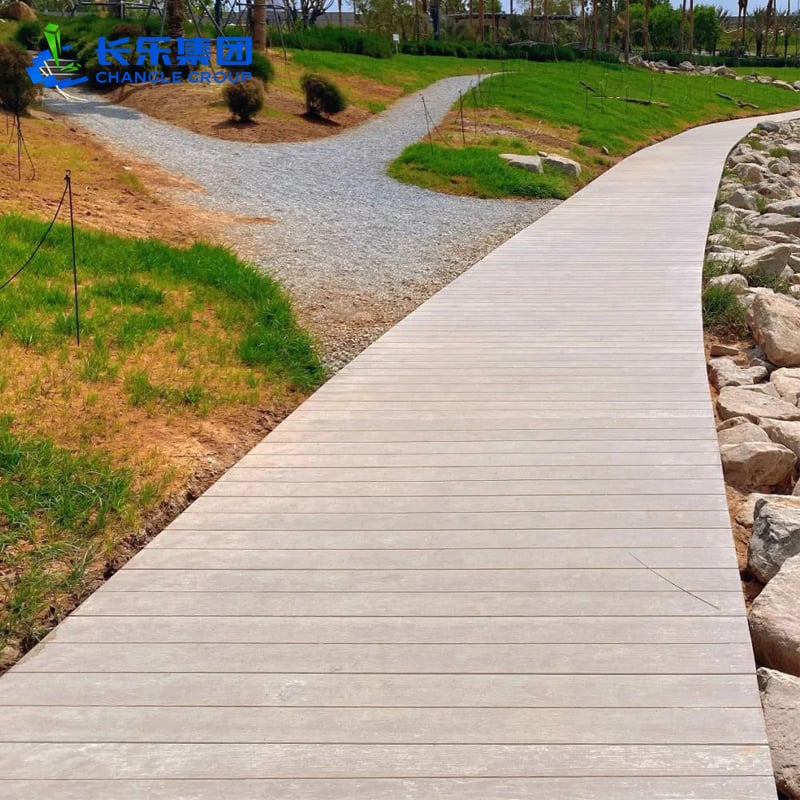
Different decking materials respond dramatically to outdoor conditions. Wood decking offers natural beauty but requires regular sealing and staining. Composite decking combines wood fibers with plastic polymers to reduce maintenance while improving durability. Vinyl and aluminum decking provide synthetic alternatives with minimal upkeep. Each category of decking presents distinct trade-offs between aesthetics, performance, cost, and environmental impact. Understanding these differences helps property owners align their decking choices with realistic lifestyle expectations and long-term budget planning.
The structural composition of decking materials directly determines how long they survive outdoor exposure. Pressure-treated lumber provides affordability but typically lasts 15 to 20 years before significant deterioration begins. Cedar and redwood offer natural rot resistance but still require protective treatments and periodic maintenance to extend lifespan. Composite decking engineered from wood-plastic blends typically lasts 25 to 30 years with minimal intervention. Aluminum and vinyl decking can exceed 30 years of functional performance in most climates. When selecting decking, understanding material lifespan against your intended use horizon helps justify material investment and avoid premature replacement costs.
Moisture penetration remains the primary destroyer of traditional decking materials. Wood decking absorbs water, leading to swelling, warping, and fungal decay that compromises structural integrity. Composite decking resists moisture absorption far more effectively because plastic polymers form a protective barrier around wood fibers, though some composite formulations perform better than others. UV exposure fades and weakens all organic decking materials over time. Temperature cycling causes expansion and contraction that stresses fasteners and joints, creating gaps and movement. Vinyl and aluminum decking excel at UV resistance and temperature stability. When evaluating decking options, climate conditions in your region should heavily influence material selection to minimize environmental stress.
The ongoing maintenance burden varies enormously depending on your decking material choice. Pressure-treated wood decking requires annual or bi-annual sealing to prevent moisture penetration and color fading. Natural wood decking like cedar demands professional staining and sealing every two to three years to maintain appearance and structural integrity. Composite decking typically requires only periodic washing with mild soap and water, though some formulations may benefit from occasional cleaning of mold or mildew growth. Aluminum and vinyl decking need minimal maintenance beyond routine cleaning. Property owners evaluating decking options must honestly assess their willingness to invest time and money into preventive care. A low-maintenance decking preference often justifies higher upfront material costs for composite or synthetic alternatives.
Damage repair capabilities differ significantly across decking material types. Wood decking allows spot repairs where damaged boards can be individually replaced, though finding matching boards after several years may prove challenging. Composite decking also supports individual board replacement, but color fading in surrounding boards may create visible mismatches. Vinyl and aluminum decking offer similar repair flexibility. However, the long-term cost of maintaining decking through repeated repairs can exceed the expense of upgrading to a more durable material. When calculating true cost of ownership for your decking investment, factor in both planned maintenance and probable repair cycles over your intended ownership period.
Decking material selection profoundly influences outdoor aesthetics and curb appeal. Natural wood decking offers warmth and organic beauty that many homeowners find most attractive, though appearance deteriorates without proper maintenance. High-quality composite decking now comes in diverse color palettes and surface textures that mimic natural wood while maintaining consistent appearance over time. Vinyl decking provides clean lines and modern aesthetics with minimal color fading. Aluminum decking offers contemporary industrial looks popular with modern architecture. The visual performance of your decking choice should align with your home's architectural style and personal aesthetic preferences. A beautiful decking material that you neglect through lack of maintenance quickly becomes an eyesore that diminishes property appeal.
How well decking maintains its aesthetic appeal directly reflects material composition and environmental exposure. Untreated wood decking rapidly develops gray, weathered appearance as UV rays break down wood fibers and promote algae and mildew growth. Sealed wood decking maintains color better but requires regular refinishing to preserve appearance. Quality composite decking resists UV fading through protective coatings, though some lower-grade formulations may show noticeable color changes after several years. Vinyl and aluminum decking demonstrate superior color stability across decades of outdoor exposure. For property owners valuing consistent aesthetics and minimal intervention, synthetic decking materials justify premium pricing through superior color longevity. The visual performance of your decking choice impacts not only personal satisfaction but also property marketability and resale value.
Different decking materials support different weight loads and structural demands. Treated lumber provides excellent strength-to-weight ratio and supports standard residential loading easily. Composite decking generally matches pressure-treated lumber in load-bearing capacity while resisting moisture-induced strength loss. Aluminum decking combines lightweight construction with strong load capacity, ideal for elevated structures where weight matters. When selecting decking for specific applications, structural requirements must match material specifications. Inadequate load capacity leads to sagging, movement, and potential safety hazards. Professional assessment of your intended decking use helps ensure material selection supports realistic loading patterns and maintains structural safety throughout the decking lifespan.
Wood decking expands and contracts significantly with moisture and temperature changes, requiring careful fastening techniques and expansion gaps. Composite decking exhibits less dimensional movement than wood, reducing fastener stress and joint separation. Vinyl and aluminum decking demonstrate minimal thermal expansion, allowing tighter construction tolerances. For larger decking installations, material stability directly impacts structural reliability and fastener longevity. Temperature swings and moisture cycling create mechanical stress that loosens connections over time. Decking materials with superior dimensional stability require fewer maintenance adjustments and maintain structural integrity longer. Geographic climate patterns should influence decking material selection, with unstable materials requiring more careful design and professional installation in regions with extreme seasonal variation.
Aluminum and vinyl decking typically last 30 years or more with minimal maintenance, followed by composite decking at 25 to 30 years. Pressure-treated lumber generally lasts 15 to 20 years. Cedar and redwood offer moderate durability requiring regular protective treatment. However, actual decking longevity depends heavily on climate, maintenance commitment, and installation quality. In regions with extreme moisture, composite and synthetic decking significantly outlast wood-based options.
Wood decking demands ongoing sealing and staining expenses that accumulate substantially over decades. Composite decking requires occasional washing but minimal refinishing. Vinyl and aluminum decking demand only routine cleaning. When calculating total cost of ownership for decking, consider both material expense and cumulative maintenance investment. A higher-priced low-maintenance decking material often costs less overall than frequently maintained wood alternatives over 20 to 30 years.
Yes, decking significantly influences curb appeal and property value. Well-maintained, aesthetically attractive decking enhances perceived property quality and marketability. Conversely, deteriorating or poorly maintained decking reduces appeal regardless of material type. Quality composite or vinyl decking that requires minimal maintenance often appeals more to buyers than wood decking requiring intensive care. When selecting decking, consider long-term aesthetic performance and maintenance requirements that influence buyer perception and property value trajectory.
 EN

