The cost of fiber cement board fluctuates based on numerous variables that builders, contractors, and project managers must understand to budget effectively. Fiber cement board pricing is not determined by a single factor but rather by a complex interplay of raw material availability, manufacturing processes, market demand, and regional logistics. Understanding these dynamics helps stakeholders make informed purchasing decisions and allocate construction budgets more strategically.
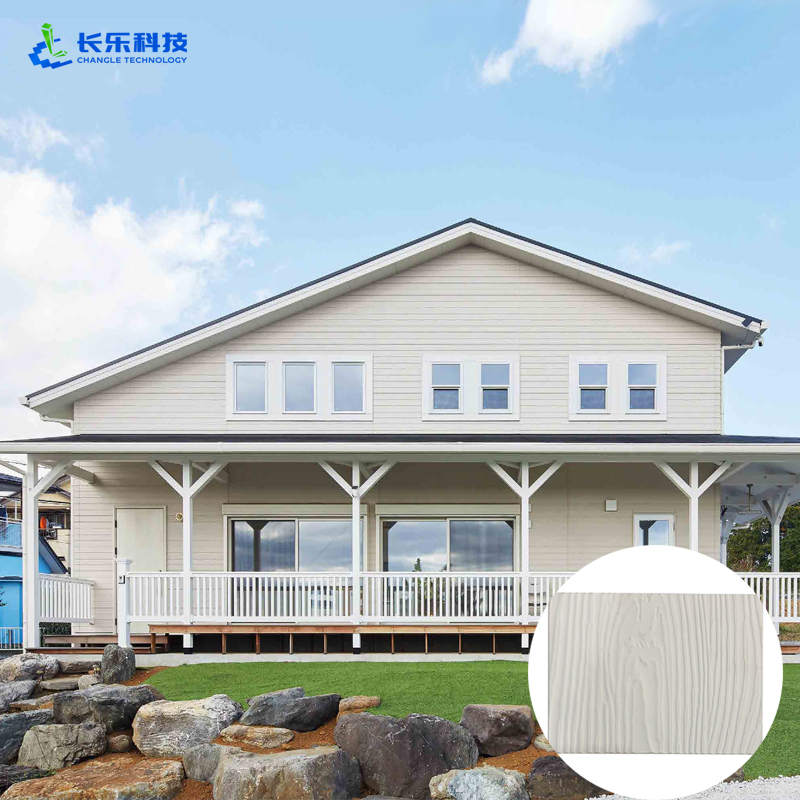
Fiber cement board has become an increasingly popular building material across residential, commercial, and industrial applications due to its durability, fire resistance, and weather performance. However, the variability in fiber cement board pricing across suppliers and regions can significantly impact project economics. Whether you're planning a commercial facade renovation, residential siding installation, or specialized industrial application, knowing what drives fiber cement board cost is essential for project planning and vendor selection.
The foundational cost driver for fiber cement board involves the quality and sourcing of cellulose fibers, Portland cement, silica sand, and additives used in manufacturing. Premium fiber cement board products use higher-grade cellulose fibers and proprietary cement formulations that enhance durability and dimensional stability, which directly increases fiber cement board expense. The selection of reinforcement fibers, whether virgin wood pulp or recycled content, affects both performance characteristics and the final fiber cement board price point in the market.
Manufacturers with advanced production technologies and economies of scale typically offer lower fiber cement board pricing than smaller producers. The manufacturing method for fiber cement board, whether using autoclaving, pressure curing, or ambient curing, influences labor costs, equipment investment, and production throughput. Facilities producing fiber cement board at higher volumes spread fixed costs across more units, allowing competitive fiber cement board pricing while maintaining quality standards. Conversely, specialized or custom-formatted fiber cement board productions often command premium pricing due to smaller production runs and specialized equipment requirements.
Fiber cement board pricing varies significantly by geographic region due to transportation costs, local competition, and market maturity. In regions with established fiber cement board manufacturing facilities, prices tend to be more competitive because transportation expenses are minimized. Conversely, remote areas or regions with limited fiber cement board availability may experience substantially higher pricing due to extended freight distances and limited supplier competition. The weight and bulk of fiber cement board products mean that logistics costs represent a meaningful portion of the delivered fiber cement board price, particularly for large-volume projects.
Fiber cement board pricing fluctuates with construction industry cycles, seasonal demand patterns, and broader economic conditions. During peak building seasons, increased demand for fiber cement board typically elevates prices as suppliers manage inventory constraints and capacity limitations. Economic downturns can reduce fiber cement board pricing as manufacturers seek to maintain market share, while supply chain disruptions can temporarily spike fiber cement board costs regardless of demand levels. Savvy project managers monitor these market trends to time fiber cement board purchases strategically and optimize construction budgets.
Fiber cement board is manufactured in various thicknesses, ranging from thin decorative panels to thicker structural-grade products, each commanding different fiber cement board price levels. Standard dimensions typically offer lower fiber cement board pricing compared to custom-cut or specialized formats, which require additional processing and inventory management. Fire-rated fiber cement board or products meeting specific building code requirements often involve enhanced manufacturing specifications that increase fiber cement board cost. Color, texture, and pre-finished options for fiber cement board add value but also increase the fiber cement board price compared to unfinished standard products.
Fiber cement board products certified for specific environmental standards, seismic ratings, or performance thresholds typically command higher fiber cement board pricing. Manufacturers investing in third-party testing, compliance documentation, and quality assurance programs incorporate these costs into their fiber cement board price structures. Products engineered for high-moisture environments, exterior facade applications, or harsh climates may have enhanced formulations that increase fiber cement board expense. Specifiers should evaluate whether premium fiber cement board options justify their higher pricing based on project-specific performance requirements and long-term value considerations.
Large-scale construction projects often negotiate lower fiber cement board pricing through volume commitments and long-term supplier relationships. Suppliers offering tiered pricing structures reward larger orders with progressively reduced fiber cement board costs per unit. Contractors managing multiple simultaneous projects may consolidate fiber cement board purchasing across projects to achieve volume-based discounts and improve overall fiber cement board pricing. Strategic partnerships with fiber cement board manufacturers or distributors can unlock pricing advantages and priority access during supply-constrained periods, providing competitive advantages for ongoing construction operations.
The distribution channel significantly influences final fiber cement board pricing experienced by end users. Direct purchases from fiber cement board manufacturers typically offer lower pricing than purchases through regional distributors or retail building supply chains. Distributors maintain inventory, provide logistics support, and offer convenience that justifies markup on fiber cement board products. Understanding your fiber cement board supply chain and whether direct purchasing relationships are viable can substantially impact project economics, especially for large-volume applications requiring significant fiber cement board quantities.
The most significant factors affecting fiber cement board pricing include raw material costs, manufacturing efficiency, transportation distances, regional market competition, product specifications, and current supply and demand dynamics. Material quality and production technology choices substantially impact fiber cement board costs, as do geographic location and seasonal market variations. Volume purchasing power and direct supplier relationships also substantially influence the final fiber cement board price paid by construction projects.
Projects can reduce fiber cement board costs by consolidating purchases across multiple phases to achieve volume discounts, sourcing from regional fiber cement board suppliers to minimize transportation costs, timing purchases strategically during lower-demand periods, and establishing direct relationships with fiber cement board manufacturers rather than purchasing through multiple distribution layers. Evaluating whether premium fiber cement board options genuinely justify their costs based on project requirements helps optimize material selection without compromising performance or durability.
Yes, fiber cement board pricing varies considerably between manufacturers due to differences in production methods, capacity utilization, quality standards, geographic location, and market positioning. Established manufacturers with advanced technologies may offer competitive fiber cement board pricing through production efficiency, while specialized producers may command premium fiber cement board costs for unique products or certifications. Comparing specifications alongside fiber cement board pricing ensures you evaluate true value rather than pursuing lowest cost at the expense of performance or compatibility with project requirements.
 EN

