Wall panel exterior systems represent a critical component of modern building design, combining structural integrity with aesthetic appeal and long-term durability. Optimizing your wall panel exterior installation approach directly influences project timelines, maintenance costs, and building performance outcomes. Organizations and contractors that invest in strategic planning and best-practice execution techniques see measurable improvements in installation speed, weatherproofing reliability, and client satisfaction across residential, commercial, and industrial applications.
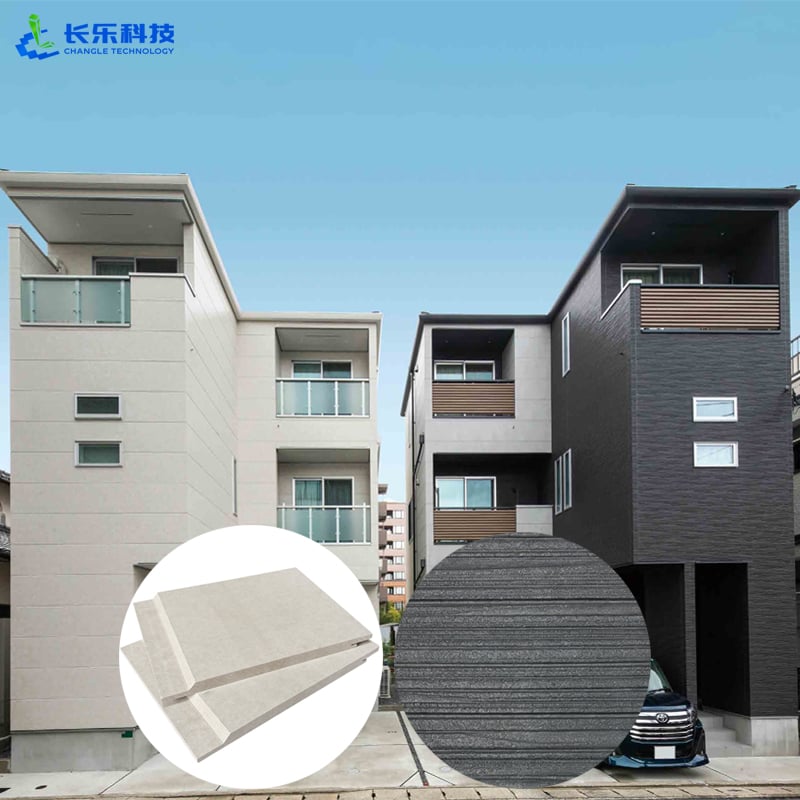
Effective wall panel exterior optimization begins with understanding the full scope of installation requirements, environmental conditions, material specifications, and regulatory compliance standards specific to your project context. This comprehensive guide explores evidence-based strategies that reduce installation complications, extend facade lifespan, and deliver superior visual results while maintaining budget predictability and schedule adherence.
Before commencing wall panel exterior installation, thorough site assessment and material inspection are fundamental. Inspect the substrate surface for flatness, moisture content, existing damage, and structural soundness to ensure the wall panel exterior system will perform reliably throughout its service life. Moisture testing should be conducted according to industry standards, as excess moisture compromises adhesion, promotes mold growth, and accelerates material degradation beneath the wall panel exterior covering.
Verify all materials arrive on schedule and meet specification requirements including color consistency, dimensional accuracy, and finish quality. Organize materials logically at the job site to minimize handling delays and prevent damage. Creating a detailed material inventory specific to each wall panel exterior section reduces installation confusion and ensures proper alignment with architectural drawings.
Weather conditions critically impact wall panel exterior installation success. Temperature, humidity, and precipitation influence adhesive curing times, material expansion and contraction, and worker safety on elevated surfaces. Schedule wall panel exterior work during periods with moderate temperatures between 50 and 85 degrees Fahrenheit for optimal adhesive performance and workability. Avoid installation during heavy rain, high winds, or extreme heat that compromise material handling and bond quality.
Planning your wall panel exterior installation sequence strategically prevents weather-related delays and quality issues. Beginning installation on building sections with southern or western exposures allows teams to manage direct sun exposure during adhesive curing phases, whereas starting on shaded northern walls provides flexibility to adjust schedules around forecast changes.
Proper substrate preparation forms the foundation for long-lasting wall panel exterior performance. Clean all surfaces thoroughly to remove dust, grease, rust, and loose debris that prevent proper adhesive bonding to the wall panel exterior substrate. Use pressure washing or wire brush techniques appropriate to the substrate material, whether concrete, brick, metal, or engineered surfaces. Allow adequate drying time after cleaning before applying the wall panel exterior adhesive or mechanical fastening systems.
Mechanical fastening systems provide enhanced security for wall panel exterior installations in high-wind zones or on irregular substrates where adhesive-only methods may prove insufficient. Stainless steel fasteners resist corrosion and maintain structural integrity throughout the wall panel exterior system's lifespan. Spacing, diameter, and installation depth must comply with engineering specifications and building codes specific to your project's exposure category and seismic requirements.
Comprehensive sealing directly determines whether your wall panel exterior system successfully protects the building envelope from water infiltration and air leakage. Apply approved sealants to all seams, joints, corners, and transitions between the wall panel exterior panels and adjacent building components including windows, doors, roof edges, and foundation interfaces. Quality sealant materials expand and contract with temperature fluctuations, preventing cracking that would allow water penetration beneath the wall panel exterior surface.
Expansion joints within the wall panel exterior system accommodate thermal movement and structural settling without creating stress fractures or visual defects. Space expansion joints according to material type, panel dimensions, and expected temperature ranges for your geographic location. Inadequate joint spacing remains a leading cause of premature wall panel exterior failure, as thermal stresses accumulate and eventually rupture improperly designed systems.
Implementing systematic inspection procedures throughout the installation phase ensures wall panel exterior systems meet design specifications and performance standards. Conduct daily visual inspections checking panel alignment, adhesive coverage consistency, sealant application quality, and fastener placement accuracy. Document findings with photographs and written observations to verify compliance and identify corrective actions before issues become widespread or costly to remedy.
Third-party quality inspections provide independent verification that wall panel exterior installation meets contractual requirements and industry standards. Professional inspectors assess substrate preparation, adhesive coverage patterns, panel sequencing, joint spacing, and overall workmanship quality. Regular inspections during installation catch problems early when corrections remain manageable, whereas post-installation discovery requires expensive removal and reinstallation affecting project budgets and schedules.
Establishing proactive maintenance schedules preserves wall panel exterior performance and extends service life well beyond minimum expectations. Annual visual inspections identify early signs of sealant degradation, panel separation, moisture intrusion, or mechanical damage requiring attention. Professional cleaning removes environmental contaminants, preventing discoloration and material breakdown while maintaining the wall panel exterior aesthetic appearance.
Timely sealant maintenance represents the single most cost-effective wall panel exterior preservation strategy. Deteriorated sealants allow water penetration that damages substrates and interior building systems, whereas proactive resealing prevents expensive remediation. Inspect sealant condition annually and plan replacement on five to seven year cycles depending on exposure severity and sealant material specifications. Investing modest resources in preventive wall panel exterior maintenance dramatically reduces emergency repairs and prolongs facade reliability throughout the building's operational life.
Wall panel exterior systems offer superior speed, consistency, and quality compared to site-applied traditional cladding approaches. Prefabricated components arrive factory-finished and ready for installation, eliminating field finishing delays and achieving uniform aesthetics. Integrated flashing, insulation, and weatherproofing within modern wall panel exterior assemblies create more reliable building envelopes with fewer penetrations and construction joints that could compromise performance.
Conduct comprehensive visual inspections of wall panel exterior installations annually or following severe weather events. Professional inspectors should examine sealant integrity, panel fastener condition, visible deterioration, and potential moisture issues affecting the wall panel exterior system. Implement preventive maintenance including cleaning and sealant reapplication every five to seven years to maintain warranty protection and building envelope reliability.
Yes, wall panel exterior systems can be successfully retrofitted to existing structures when proper substrate assessment and preparation procedures are followed. Retrofit projects require careful evaluation of existing wall conditions, structural capacity for additional load from the wall panel exterior system, and integration with existing windows, doors, and penetrations. Working with experienced contractors who understand both new construction and retrofit-specific challenges ensures successful wall panel exterior implementation on older buildings.
 EN

