Understanding fire-resistant fiber cement board means separating material properties from the safety performance of a complete wall, ceiling, or enclosure. A fiber cement board is generally made from cementitious binders and reinforcing fibers, but its response to heat depends on formulation, thickness, installation, and the surrounding assembly. Buyers should treat fiber cement board as one component in a documented fire strategy, not as a stand-alone guarantee of fire protection.
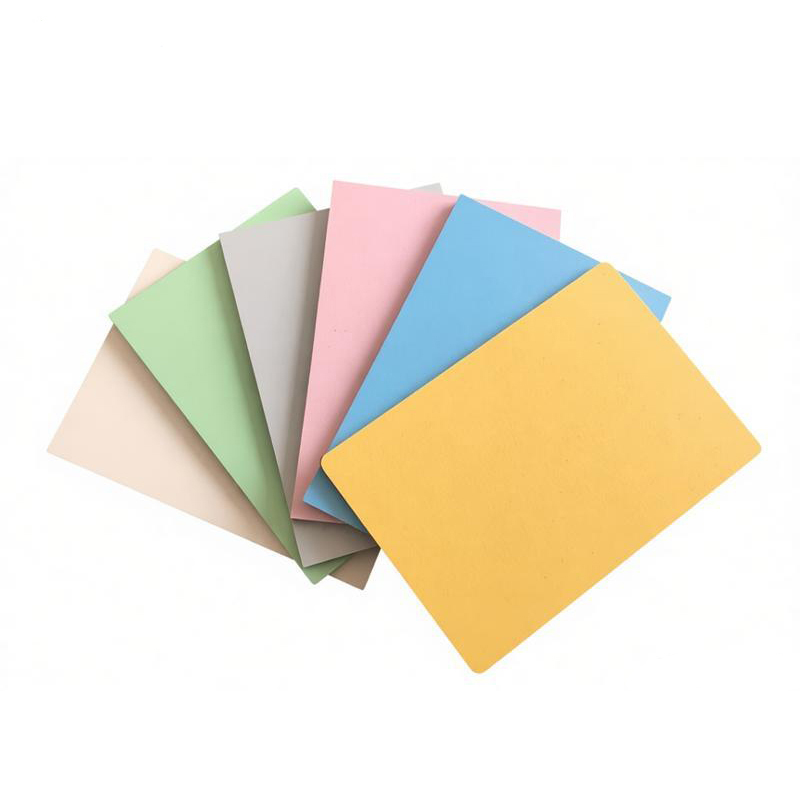
For industrial and commercial projects, fiber cement board can be considered where noncombustible or fire-resistant construction is specified, subject to verified product data and local codes. A fiber cement board may help form a protective layer, yet joints, fasteners, penetrations, and framing affect the finished result. The practical question is therefore not simply whether a fiber cement board resists fire, but what evidence supports its intended use in the particular assembly.
A fiber cement board’s mineral-based composition can contribute to fire resistance, but composition alone does not define a rating. Test results relate to specific specimens and conditions, while a constructed barrier includes seams, supports, coatings, and openings. When evaluating fiber cement board, ask whether the evidence describes the board itself or a tested assembly, and confirm the scope before applying a rating to project drawings.
Fire performance also involves more than whether a fiber cement board ignites. Relevant criteria may include flame spread, heat transmission, structural integrity, and the duration for which an assembly maintains its function. These measures are not interchangeable. A fiber cement board that performs well under one test should not automatically be assumed to meet a different fire-resistance requirement; match the test method and classification to the project specification.
Request current technical documentation for the exact fiber cement board grade, thickness, and intended application. Check the test standard, specimen construction, mounting method, and any limitations stated in the report. If the document covers a system, verify that the fiber cement board, framing, insulation, and joint treatment specified for your project align with the tested configuration rather than relying on a similar-looking product description.
A responsible review records both the evidence and its boundaries. Confirm whether a fiber cement board has a declared reaction-to-fire classification, an assembly fire-resistance result, or both, because each answers a different question. Check that certificates remain valid and that installation instructions are compatible with the design. Where a project requires approval, the design team should resolve interpretation with the relevant code authority before procurement.
Thickness and density can influence how a fiber cement board behaves under heat, but a thicker panel alone does not prove a higher rated assembly. Board edges, joint gaps, and fastening patterns can create weak points if they depart from tested details. For each fiber cement board installation, specify panel orientation, support spacing, screw type, edge distances, and joint treatment in a coordinated drawing.
Services such as cables, pipes, ducts, and access openings need particular attention. A fiber cement board barrier may lose continuity when an opening is cut without an approved fire-stopping detail. Coordinate penetrations early, record their locations, and use compatible tested sealing systems where required. After installation, inspect each fiber cement board junction and penetration, because workmanship determines whether the designed barrier remains continuous.
The supporting frame and adjacent materials are part of the fire-safety picture. A fiber cement board fixed to a different substrate from the one in its test report may not reproduce that report’s performance. Likewise, coatings, membranes, insulation, and cavity conditions can change the assembly. Review the full build-up, and do not assume that adding a layer to fiber cement board automatically improves fire resistance.
Storage and installation conditions matter for reliable service. Keep fiber cement board dry and protected from damage before fitting, follow handling guidance, and use the specified fixing method. Moisture exposure, impact damage, or poorly finished edges may affect durability and create maintenance concerns, even when fire characteristics are documented. A site quality plan should check the fiber cement board for damage, correct installation, and traceable product identification.
Translate fire objectives into measurable specification requirements before choosing a fiber cement board. State the required classification or assembly duration, applicable standard, exposure conditions, and intended location. Request product data and supporting reports that match those requirements. A clear specification helps procurement distinguish a fiber cement board with relevant evidence from one whose general description sounds suitable but does not establish compliance.
For a product review, compare technical properties that affect the planned use, including dimensions, thickness tolerance, edge profile, fixing guidance, and surface finish. The fiber cement board selection should be supported by documentation for the actual configuration, not just a broad material claim. Keep approved data with submittals so installers and inspectors can confirm that delivered fiber cement board matches the design.
Before work begins, brief installers on the approved details and identify who can authorize changes. Cutting or substituting a fiber cement board, changing fasteners, or relocating a seam may affect tested performance. Record deviations and obtain technical review before closing concealed work. Photographs of framing, joints, and fire-stopping can help the project team verify that the finished fiber cement board system follows its approved design.
Inspection should continue after handover where barriers may be altered for maintenance or new services. Mark fire-rated zones, retain installation records, and require review before drilling through fiber cement board assemblies. Repair damage using approved methods that restore the required construction. These controls make fiber cement board performance more dependable over the building’s service life, while keeping responsibility clear among designers, contractors, and facility teams.
No material should be described as universally fireproof. Fiber cement board may have fire-related classifications or form part of a rated assembly, but suitability depends on the exact product, test evidence, and installation. Check the requirements for the specific application.
Request current technical data, relevant fire test or classification reports, installation instructions, and any certificates tied to the specified fiber cement board. Confirm that dimensions, grade, and assembly details match the design and local code needs.
Openings may be possible when they are covered by approved system details and suitable fire-stopping. Do not cut fiber cement board assemblies without checking the design, coordinating services, and documenting any approved changes to preserve barrier continuity.
 EN

