Understanding fiber cement board technology starts with how the material is made and how its properties interact with a building. A fiber cement board combines cementitious binders with reinforcing fibers and other formulation components. That combination shapes its strength, dimensional behavior, and suitability for interior or exterior applications. For project teams, understanding fiber cement board means evaluating the material as part of an assembly, not judging it by a product description alone.
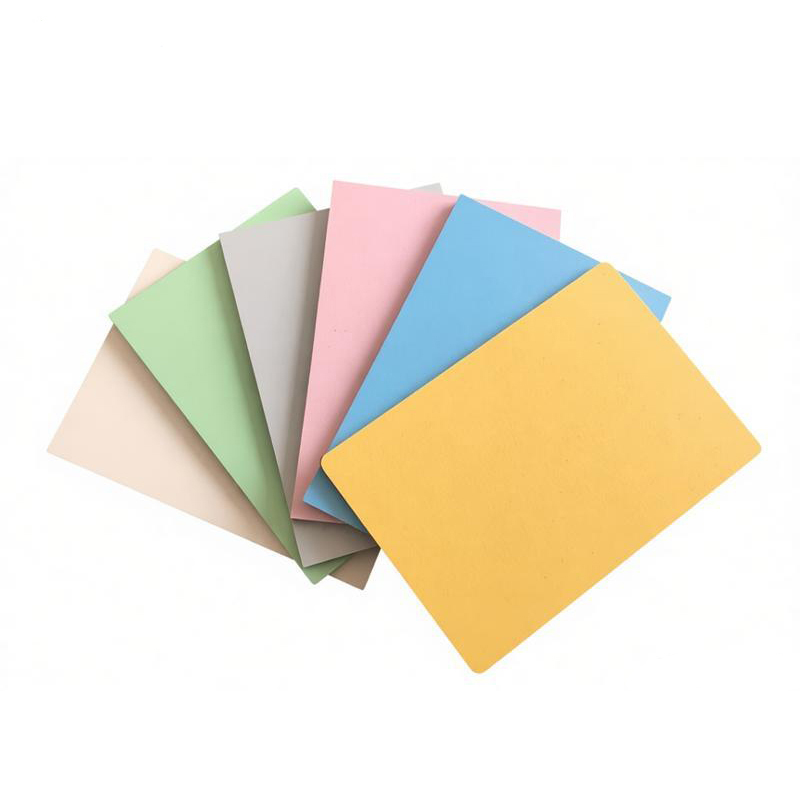
Its impact on building performance depends on composition, manufacturing control, detailing, and exposure conditions. Fiber cement board can support durable wall, ceiling, and façade systems when specified for the intended use and installed according to relevant guidance. This article explains how fiber cement board technology influences practical performance, what design teams should verify, and why installation details matter as much as the panel itself.
A fiber cement board is typically produced from cement-based material reinforced with fibers, with the precise formulation varying by intended application. The cementitious matrix provides a rigid body, while the reinforcement helps the material resist cracking and manage stresses during handling and service. Fiber cement board performance therefore reflects the interaction of ingredients rather than one component acting alone.
Formulation also affects density, surface characteristics, thickness options, and workability. When reviewing a fiber cement board, project teams should check technical data for the exact product grade, intended exposure, and applicable installation method. A specification for an interior lining may not suit an exposed façade, even where both products share the same broad material category.
Production processes shape how evenly constituents are distributed and how consistently panels meet dimensional requirements. Controlled forming, curing, and finishing help create a fiber cement board with repeatable characteristics from panel to panel. For construction schedules, consistency matters because variations can affect cutting, joint alignment, fastening, and the appearance of completed surfaces.
Manufacturing quality is not a substitute for project-specific verification. Confirm tolerances, edge conditions, surface finish, and any declared performance properties through current product documentation. A pre-coated fiber cement board, for example, adds a finished surface that may influence handling and detailing choices. The specification should identify whether the board is intended for the project’s environmental and service conditions.
Moisture management is a system-level issue, not a claim that any panel is waterproof. Fiber cement board may be used in locations where periodic moisture exposure is expected, but performance depends on product suitability, drainage, barriers, joints, and edge protection. Design teams should consider where water can enter, how it can escape, and whether adjacent materials tolerate similar exposure.
Temperature and humidity changes can also affect building assemblies. Fiber cement board detailing should allow for movement where the system requires it, while maintaining support and reliable joints. Follow specified gaps, fastener spacing, and joint treatments rather than relying on assumptions based on panel appearance. Correct detailing helps limit cracking, water intrusion, and avoidable maintenance concerns.
The cementitious nature of fiber cement board can make it relevant to projects with defined fire-performance objectives, but the rating of a complete wall or ceiling assembly depends on tested construction details. Designers should verify the applicable test evidence and local code requirements instead of inferring assembly performance from the board alone. Insulation, framing, joints, and penetrations all influence results.
Mechanical durability also depends on thickness, support spacing, edge treatment, and the expected use of the space. Fiber cement board may provide a stable substrate in demanding settings, yet concentrated impact or unsupported edges can cause damage. Indoors, confirm suitability for the room conditions and coordinate the board with coatings, sealants, and other finish materials to avoid incompatibility.
Selection should begin with the exposure and function of each building area. For a rainscreen façade, a fiber cement board must work with the cavity, weather-resistive layer, flashings, and attachment system. For interior partitions, priorities may instead include surface finish, impact expectations, and the requirements of the complete wall assembly. The intended use should guide product choice.
Review available product documentation before finalizing a fiber cement board specification. Check dimensions, declared characteristics, finish limitations, storage instructions, and compatible accessories. Where project requirements are specialized, consult the technical documentation and confirm assumptions with the relevant project professionals. This avoids treating similar-looking panels as interchangeable when their approved uses or details may differ.
Good installation begins before panels reach the work area. Store fiber cement board flat and protected as directed, use appropriate handling practices, and follow guidance for cutting and dust control. The support structure should be prepared to meet specified alignment and spacing requirements. Accurate setting-out helps preserve joint layout and reduces the likelihood of damage during fixing.
During installation, use the specified fasteners, edge distances, joint treatments, and movement provisions. A fiber cement board system performs as intended only when its components are coordinated, including trims, coatings, membranes, and flashings. Inspection should focus on concealed details as well as finished appearance. For lifecycle planning, consider access for maintenance and establish inspection practices suited to the exposure and assembly.
Performance comes from formulation, manufacturing consistency, product grade, and the complete installed assembly. Fiber cement board must be matched to its exposure and supported with suitable joints, fasteners, and protective details. Review technical documentation for the specific application rather than relying on the material name alone.
Some products are designed for moisture-exposed applications, but suitability depends on the product and assembly requirements. Fiber cement board does not remove the need for appropriate waterproofing, drainage, sealing, and code-compliant detailing. Confirm the intended use and installation guidance before specifying it in a wet area.
Details manage movement, water, fastening loads, and the transitions between building components. Even a suitable fiber cement board can underperform if joints, edges, or penetrations are poorly treated. Following the specified system and checking workmanship helps protect the assembly’s function and serviceability.
 EN

