Understanding the composition of fiber cement board helps project teams judge why it is used for exterior cladding, interior linings, and other demanding building applications. Its advantages do not come from a single ingredient. Instead, fiber cement board combines a mineral binder, reinforcing fibers, and carefully controlled production to create a stable sheet material suited to specific design and site conditions.
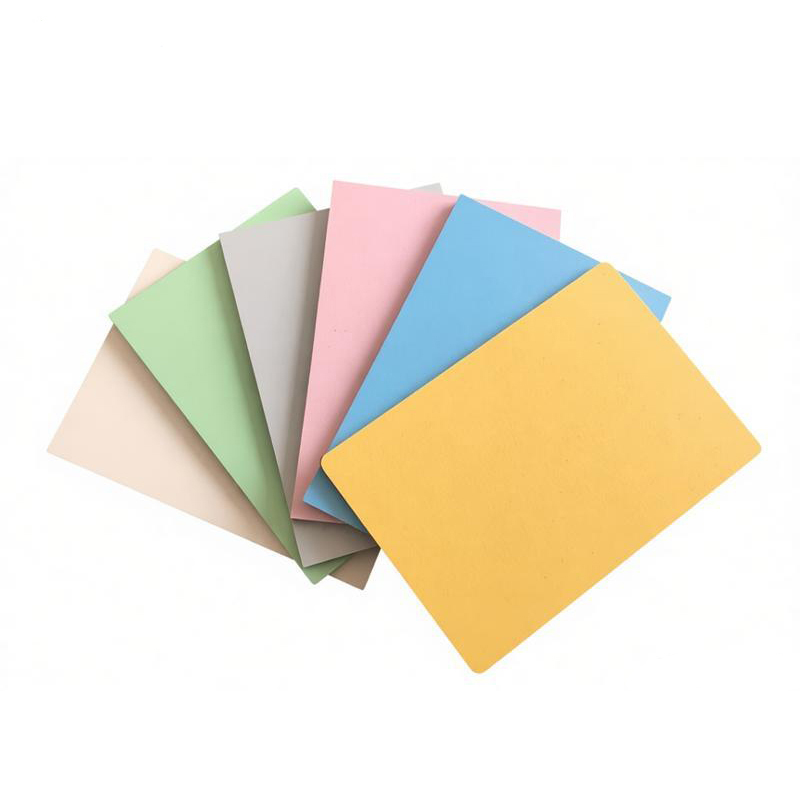
The material’s makeup explains both its strengths and the care needed during specification and installation. A fiber cement board typically includes cement, silica-based materials, water, and fibers, though formulations differ by product and application. Knowing how these elements contribute makes it easier to compare technical data, plan handling, and select a board that fits the project rather than relying on broad claims.
Cement acts as the binding phase in fiber cement board. When mixed with water, it hardens around the other ingredients and creates a rigid mineral matrix. Silica or other mineral fillers may contribute to the board’s structure and dimensional behavior. Together, these components give fiber cement board its solid, sheet-like form, rather than the flexible character of many polymer-based panels.
The exact mineral recipe matters because a board is expected to remain serviceable through changes in temperature and humidity. The cementitious matrix gives fiber cement board useful rigidity, but it is not a reason to ignore movement joints, substrate preparation, or installation instructions. For a project team, product-specific technical documentation is the reliable source for thickness, tolerances, and suitable fixing methods.
Reinforcing fibers are distributed through the cement matrix to help the fiber cement board resist cracking and maintain integrity during handling and use. Depending on the formulation, fibers may be cellulose or other suitable reinforcing materials. They work within the matrix rather than acting as a surface layer, so their contribution is part of the board’s overall composition and manufacturing design.
Water is also needed during mixing and forming, while controlled curing helps the board develop its intended properties. Production methods influence density, finish, and consistency, which is why two fiber cement board products may not be interchangeable even when both share a broad material category. Buyers should verify the declared composition and performance information relevant to their intended use.
The mineral matrix gives fiber cement board a firm profile that can suit applications where a rigid panel is required. In properly detailed assemblies, it can provide a durable substrate or cladding component. Its composition is less dependent on a soft, moisture-sensitive core than some alternative sheet materials, but performance still depends on exposure, edge detailing, and the specific product selected.
A fiber cement board is often considered where regular building conditions could challenge a less suitable panel, including exterior settings or areas exposed to intermittent moisture. That does not mean every board is appropriate for every wet or outdoor location. Confirm the manufacturer’s stated applications, coating requirements, and limitations, then coordinate those details with the wall or floor assembly design.
Because much of the composition is mineral, fiber cement board can be relevant to designs with defined fire-performance requirements. The board itself is only one element in an assembly, however; ratings and compliance depend on the tested construction, joints, fixings, and adjoining materials. Specifiers should use applicable test reports and local codes instead of assuming a result from the material name alone.
The cement-rich structure also helps explain why fiber cement board can be selected for moisture-aware construction. It may tolerate conditions that would damage some conventional panels, yet prolonged saturation, poor drainage, or unsealed cut edges can still cause problems. Correct flashing, ventilation, coatings, and joint design are essential. These details turn material potential into dependable building performance.
Start selection by defining the board’s role: exterior cladding, a backing panel, interior lining, or another use. Then check thickness, dimensions, edge profile, surface finish, and approved substrates. A fiber cement board intended for one application may have different characteristics from a board designed for another, so the project specification should identify the actual use and relevant performance criteria.
Review load and support requirements before ordering. The spacing of framing, type of fastener, and treatment of joints can affect the finished assembly, as can board weight and format. Where a fiber cement board will receive tile, paint, or a factory-applied finish, confirm compatibility with the chosen materials. This coordination helps avoid rework and makes responsibilities clear across trades.
Fiber cement board can be heavier and more brittle at edges than some lightweight panels, making safe storage and careful lifting important. Follow the product guidance for cutting and dust control, and use suitable tools and protective equipment. Support sheets evenly in transit and on site, since damaged corners or unsupported spans can complicate installation and compromise a clean finish.
Before installation, inspect fiber cement board sheets for damage, confirm that delivered specifications match the order, and acclimate or store them as directed. Keep cut edges and penetrations consistent with the system details. If a pre-coated fiber cement board is used, verify that the coating, joint treatment, and fasteners are compatible. A fiber cement board with a prepared surface may support a planned finish workflow, but installation instructions remain decisive.
Fiber cement board generally combines cement, mineral materials, water, and reinforcing fibers. The proportions and production process vary, so consult the technical documentation for the exact product. These ingredients form a rigid sheet in which the cement matrix binds and supports the reinforcing components.
Fiber cement board is used in moisture-aware applications, but it is not a substitute for waterproofing or sound detailing. Exposure limits, edge treatment, coatings, drainage, and ventilation all matter. Choose a product approved for the location and follow the assembly requirements.
The mineral matrix and reinforcing fibers help explain the board’s rigidity and intended durability, while its weight and edge behavior affect handling. Compare declared performance, dimensions, finish, and installation requirements with the assembly design. The right fiber cement board is the one specified for the actual exposure and function.
 EN

