Selecting the right exterior finish for your building is one of the most consequential decisions in construction and renovation projects. The choice between a wall panel exterior and traditional wall finishes affects not only the aesthetic appeal but also long-term durability, maintenance requirements, energy efficiency, and overall project cost. Builders, architects, and property owners increasingly face this decision as new wall panel exterior technologies become more accessible and competitive in the marketplace. Understanding the fundamental differences between these two approaches helps ensure your building investment delivers both immediate visual impact and sustained performance over decades.
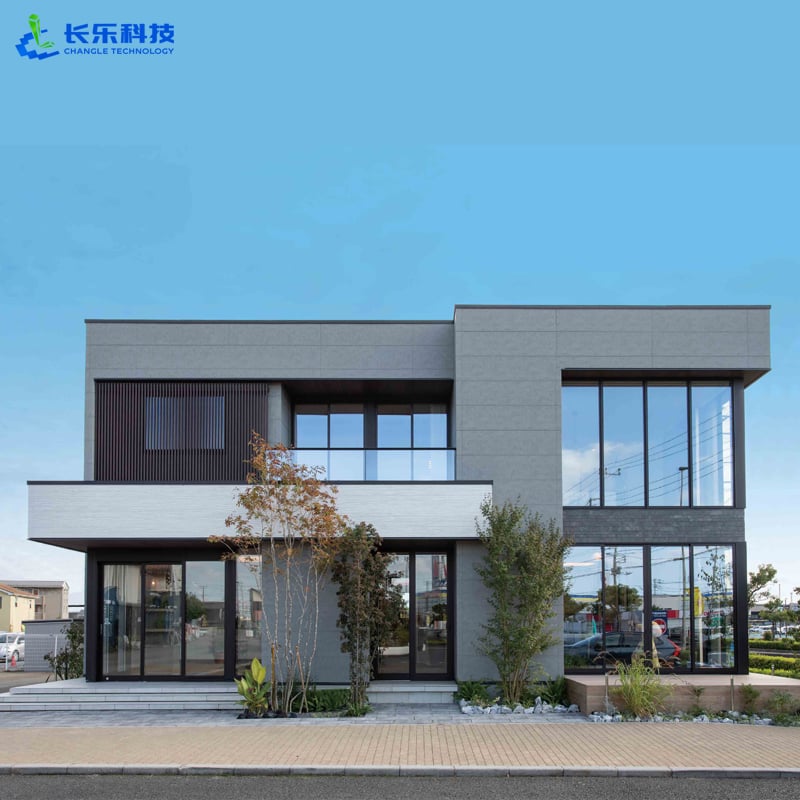
Modern construction demands solutions that balance performance with practicality. A wall panel exterior represents a shift toward factory-engineered systems that bundle multiple functions into integrated assemblies, while traditional wall finishes rely on site-applied materials like stucco, brick veneer, or paint. Each approach carries distinct advantages and limitations. By examining how these systems differ in installation speed, weather resistance, thermal performance, aesthetic flexibility, and lifecycle costs, you can make a decision aligned with your project scope, timeline, and long-term operational expectations.
A wall panel exterior is a prefabricated or semi-prefabricated cladding system engineered to serve multiple roles simultaneously. Unlike traditional finishes that are applied layer by layer on site, a wall panel exterior combines weather resistance, insulation, air sealing, and aesthetic expression into one integrated assembly. These systems are manufactured in controlled factory environments, which ensures consistent quality and dimensional accuracy. When you select a wall panel exterior, you are choosing a product that has been designed, tested, and validated before it arrives at your construction site.
Traditional wall finishes, by contrast, depend on skilled tradespeople to apply materials sequentially—substrate preparation, moisture barriers, insulation or air gaps, finish layers, and protective coatings. Each layer must be installed correctly and in the right sequence for the system to perform. Traditional finishes offer proven track records spanning decades or centuries in many building styles, but they require careful execution and ongoing maintenance. A wall panel exterior streamlines this complexity by delivering those functions as a coordinated package.
Installation speed is one of the most dramatic differences between a wall panel exterior and traditional finishes. Wall panel exterior systems can be installed rapidly because the panels arrive on site ready to attach to the structural frame. This means fewer site trades, shorter weather exposure, and faster envelope closure. A typical wall panel exterior installation can reduce exterior construction duration by 30 to 50 percent compared to traditional site-applied finishes. This acceleration translates directly into cost savings through reduced labor, shorter project schedules, and faster occupancy or revenue generation.
Traditional wall finishes require sequential application over extended timeframes. Weather delays interrupt work more frequently because each layer must cure or set before the next can begin. Weather protection scaffolding and barriers stay in place longer, increasing site overhead costs. For large commercial projects or renovations where schedule pressure is high, the speed advantage of a wall panel exterior often becomes the decisive factor in the selection process.
A wall panel exterior designed for your climate offers engineered weather resistance validated through laboratory testing and field performance data. Modern wall panel exterior systems incorporate multiple barriers—outer cladding, air gaps, drainage planes, and vapor control layers—all tested together as a complete assembly. This integrated approach delivers predictable, measurable performance in rain, freeze-thaw cycles, UV exposure, and wind-driven moisture events. When you install a wall panel exterior rated for your specific climate zone, you benefit from engineering that has already solved the exposure challenges unique to your region.
Traditional finishes rely more heavily on trade expertise and site-specific detailing. Brick veneer, stucco, and painted wood siding have long performance histories, but their success depends on proper installation, flashing design, drainage design, and ongoing caulking maintenance. In freeze-thaw climates, traditional finishes often require more frequent inspection and maintenance to prevent water infiltration. High-wind zones or heavy-rain environments demand meticulous flashing and sealant work that increases labor costs and introduces human-error risk.
A wall panel exterior typically requires less hands-on maintenance than traditional finishes because the factory-manufactured components are designed for durability and resistance to environmental stress. Many wall panel exterior systems need occasional cleaning or inspection but minimal active maintenance during their useful life. This lower maintenance burden reduces long-term ownership costs and extends predictable service life. Over a 30 to 50-year building lifecycle, these maintenance savings accumulate into significant financial advantages.
Traditional finishes often demand regular maintenance to sustain performance. Stucco may crack and require repair; brick veneer needs repointing over time; painted surfaces need periodic repainting every 7 to 10 years; wood siding requires ongoing treatment and sealing. Caulking around windows, doors, and transitions must be renewed regularly. These recurring maintenance tasks increase total cost of ownership and require coordination with building management. For property owners seeking to minimize operational complexity and expense, a wall panel exterior presents an attractive alternative because maintenance is predictable and less demanding.
Modern wall panel exterior systems offer far greater design flexibility than they did a decade ago. Contemporary manufacturers provide options in color, texture, finish profile, and panel dimensions. A wall panel exterior can mimic traditional brick, stone, wood siding, or metal finishes while delivering superior performance. Modular design allows architects to combine different panel types and colors to create visually complex, engaging facades. Custom printing and finishes on some wall panel exterior products enable branded surfaces or unique aesthetic statements impossible to achieve with conventional materials.
Traditional finishes offer depth of aesthetic tradition and proven visual compatibility with historical and established neighborhoods. The tactile, authentic appearance of real brick, stone, or fiber-cement board appeals to many building owners and may be required in historic districts. Traditional materials offer unlimited color and texture variation through hand-selection and artisan application. However, this same variability introduces inconsistency and requires skilled craftsmanship to achieve cohesive visual results across large buildings.
A wall panel exterior engineered and tested to current building codes carries documented compliance and fire-rating data that simplifies approval processes. Factory testing provides objective evidence of performance across multiple code criteria—flame spread, smoke development, thermal performance, and air infiltration rates. This documentation reduces design review time and jurisdictional negotiation. Building departments are increasingly familiar with established wall panel exterior systems, which accelerates permitting.
Traditional finishes also comply with building codes, but compliance verification often relies on calculation, assumption, and site inspection rather than pre-validated testing data. Complex assemblies with multiple traditional components may require case-by-case analysis. Design professionals must carefully coordinate details to ensure the finished assembly meets code requirements for fire rating, thermal performance, and moisture management. While traditional approaches are acceptable and common, they often demand more design effort and field inspection to confirm compliance.
Wall panel exterior systems often deliver lower total cost of ownership despite potentially higher initial material costs. Faster installation reduces labor and overhead; lower maintenance requirements decrease long-term operational expenses; and superior weather resistance minimizes repair needs. Over 30 to 40 years, a wall panel exterior frequently costs less than traditional finishes that require periodic repainting, repointing, or replacement of compromised components. The financial advantage grows with project scale and climate harshness. However, initial budget constraints and aesthetic preferences may still favor traditional finishes in some situations.
Yes, wall panel exterior systems are frequently installed over existing wall assemblies during renovation and recladding projects. The wall panel exterior approach allows the building structure to remain in place while the new cladding system is attached to the existing substrate. This capability makes wall panel exterior solutions ideal for updating aging buildings without demolition and reconstruction. The integration of insulation within the wall panel exterior also improves energy efficiency during renovations, addressing one of the most cost-effective retrofit opportunities in aging buildings.
Evaluate project timeline, budget constraints, climate exposure, maintenance tolerance, aesthetic requirements, and local code precedent. If speed and predictable performance are priorities, wall panel exterior systems excel. If aesthetic tradition or specific material authenticity is essential, traditional finishes may better serve your project. Climate severity, freeze-thaw cycles, and wind-driven rain exposure favor wall panel exterior durability. Consider your building's long-term operational model—will maintenance be readily available and funded? The answer significantly influences whether wall panel exterior or traditional finishes align better with your project vision.
 EN

