Decorative wall panels have become an essential design element in contemporary architectural projects, transforming ordinary spaces into visually striking environments. These versatile products offer architects and designers a powerful tool to elevate interior aesthetics while maintaining functionality and durability. Understanding how decorative wall panels are applied in modern architectural settings requires knowledge of installation techniques, material selection, and design integration strategies that align with current construction standards and aesthetic goals.
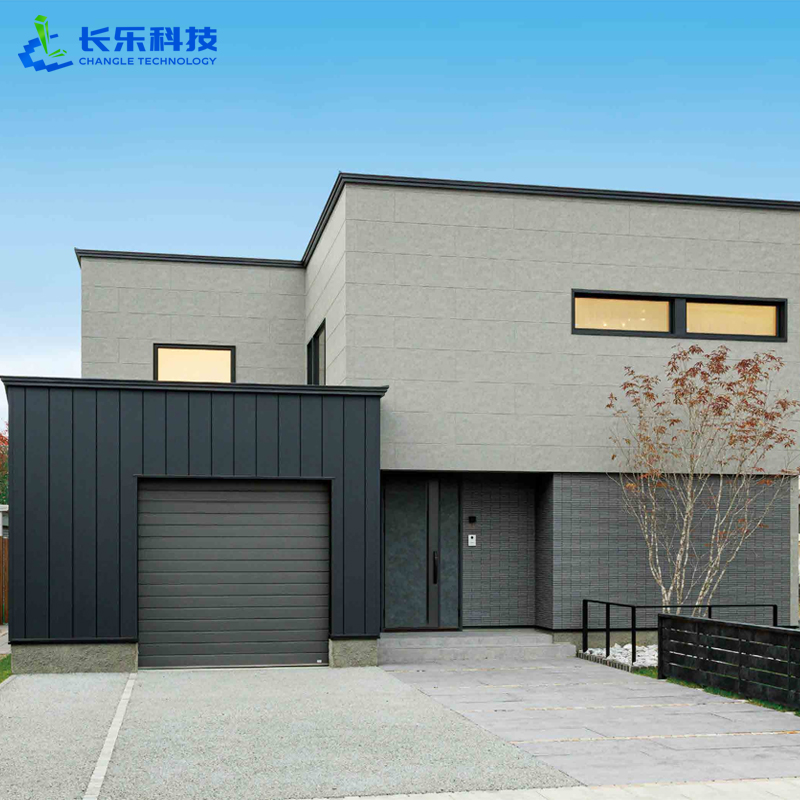
The application of decorative wall panels in architectural design involves much more than simple wall coverage. Modern projects leverage decorative wall panels to create dimensional depth, establish visual hierarchy, improve acoustic performance, and define spatial boundaries within open-concept environments. The strategic placement of decorative wall panels requires careful planning that considers structural capacity, lighting effects, material compatibility, and long-term maintenance requirements specific to each project context.
Direct adhesive application represents one of the most common methods for installing decorative wall panels in modern architectural projects. This approach involves applying specialized construction adhesive to the back surface of each panel before pressing it firmly against the prepared wall substrate. The surface preparation is critical when using decorative wall panels with adhesive methods, requiring smooth, clean, and dry wall conditions to ensure proper bonding and longevity. Installers must account for substrate variations and use shimming techniques to maintain perfectly aligned decorative wall panels throughout the installation process.
Mechanical fastening provides a more permanent solution for decorative wall panels in high-traffic commercial and institutional settings. This installation method uses concealed or decorative fasteners, tracks, and support systems to secure decorative wall panels while allowing for future adjustment or replacement. Metal channels, aluminum frames, and hidden clip systems are commonly integrated into modern architectural designs featuring decorative wall panels, offering superior load-bearing capacity and flexibility. The mechanical fastening approach for decorative wall panels also facilitates easier maintenance access and permits periodic cleaning without risk of panel separation.
Strategic placement of decorative wall panels establishes visual continuity and coherence throughout modern architectural spaces. Designers select decorative wall panels that complement existing materials, finishes, and color palettes to create harmonious environments that feel intentional rather than fragmented. The application of decorative wall panels should respond to architectural rhythm, window placement, and traffic flow patterns within the building. Successful projects integrate decorative wall panels as expressions of architectural language rather than afterthought embellishments, ensuring that each panel placement strengthens overall design intent.
Decorative wall panels create powerful three-dimensional effects that alter spatial perception and establish distinct zones within open environments. The depth and texture variation inherent in most decorative wall panels generate shadow play and visual interest that flat wall finishes cannot achieve. Modern architectural projects frequently employ decorative wall panels to define collaboration areas, reception spaces, or executive zones while maintaining visual connection between functional areas. The application of decorative wall panels with varying profiles and finishes creates dynamic interior landscapes that enhance user experience and spatial functionality.
Proper substrate preparation determines the success and longevity of decorative wall panels in any modern architectural installation. Contractors must assess wall flatness, moisture content, existing surface treatments, and structural integrity before applying decorative wall panels. Different substrate types require specific preparation protocols; concrete walls need sealing and primer applications, while drywall surfaces need careful dust removal and compound smoothing. The application of decorative wall panels onto improperly prepared surfaces results in visible gaps, panel warping, and accelerated deterioration that compromises both aesthetics and performance standards expected in contemporary architectural projects.
Environmental conditions significantly impact how decorative wall panels perform and age within architectural installations. Temperature fluctuations, humidity levels, and exposure to direct sunlight must be evaluated when specifying decorative wall panels for particular architectural applications. Modern projects increasingly select decorative wall panels with moisture resistance, fade resistance, and antimicrobial properties suited to specific building environments. Maintenance accessibility becomes essential when designing architectural spaces featuring decorative wall panels, as regular cleaning and inspection extend product lifespan and preserve the visual impact that initially justified their installation in contemporary design schemes.
Before installing decorative wall panels, the existing wall surface must be clean, dry, smooth, and structurally sound. Any existing wallpaper, paint, or loose materials should be removed, and the wall should be primed if necessary. For drywall, fill and sand any gaps or imperfections; for concrete, apply appropriate sealant or primer. The substrate flatness tolerance for decorative wall panels typically should not exceed one-eighth inch variance across the installation area to ensure proper adhesion and aesthetically flush panel placement.
Installing decorative wall panels directly over existing wall coverings is generally not recommended by industry standards. Paint, wallpaper, and other existing treatments can prevent proper adhesion of decorative wall panels and may lead to failure over time. In some cases, if the existing covering is firmly attached and compatible, contractors may proceed with careful assessment, but best practices dictate removing existing wall treatments before applying decorative wall panels for maximum durability and aesthetic quality in modern architectural installations.
Selection of decorative wall panels for modern architectural projects requires evaluating multiple factors including aesthetic compatibility, performance specifications, maintenance requirements, budget constraints, and environmental conditions. Design teams assess available material options such as wood, MDF, PVC, and composite materials to determine which decorative wall panels best suit the project's functional demands and design vision. Sample mockups, lighting studies, and material specifications should be reviewed with stakeholders before finalizing decorative wall panels for installation, ensuring that selected products meet both aesthetic expectations and technical performance standards required for successful architectural implementation.
 EN

