Selecting the right exterior cladding material is one of the most critical decisions in building construction and renovation projects. When comparing fiber cement board against vinyl siding, the choice directly impacts long-term maintenance costs, structural durability, aesthetic appeal, and overall building performance. Both fiber cement board and vinyl siding have gained significant market adoption, yet they deliver fundamentally different performance characteristics that influence their suitability across various climate zones and application scenarios. Understanding how fiber cement board performs relative to vinyl siding enables architects, contractors, and property owners to make informed decisions aligned with their project requirements and budget constraints.
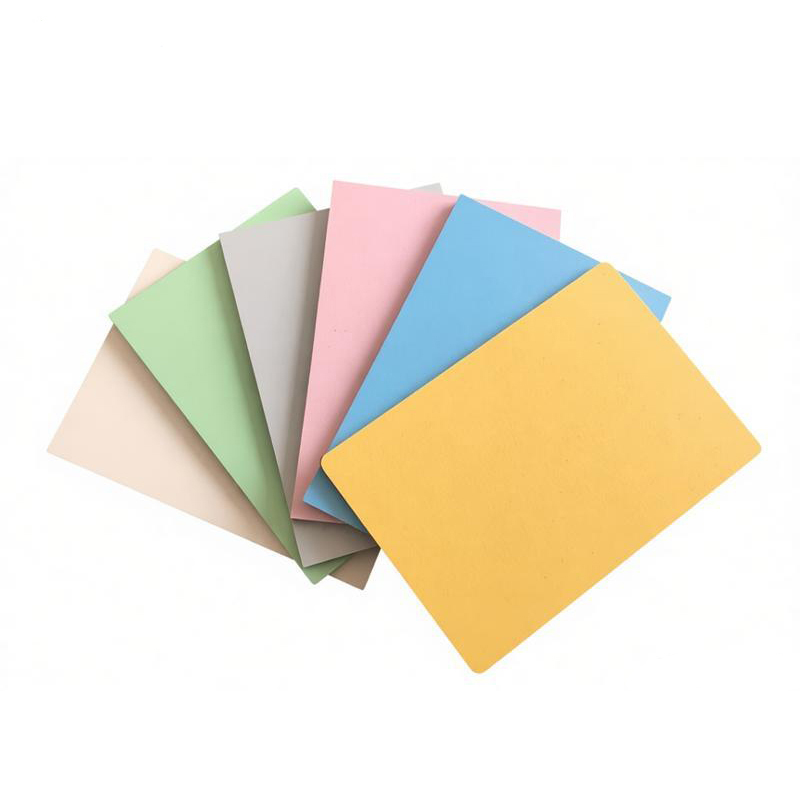
Fiber cement board represents a composite material engineered from portland cement, cellulose fibers, and silica, creating a product that combines mineral strength with dimensional stability. Vinyl siding, conversely, consists of polyvinyl chloride (PVC) plastic manufactured into interlocking panels designed for rapid installation over building substrates. The fundamental material differences between fiber cement board and vinyl siding create distinct performance profiles that become evident over years of exposure to weather, UV radiation, temperature fluctuations, and moisture cycles. This comprehensive comparison examines durability, maintenance requirements, cost factors, weather resistance, and practical installation considerations to help stakeholders evaluate which material best suits their specific exterior cladding needs.
Fiber cement board delivers exceptional longevity when properly installed and maintained, with typical service life extending 25 to 40 years or longer depending on climate conditions and maintenance protocols. The mineral composition of fiber cement board provides inherent resistance to rot, insect damage, and fungal degradation that compromises organic materials. Unlike wood-based products, fiber cement board maintains its structural integrity throughout temperature cycles because the inorganic cement matrix does not expand and contract as dramatically as organic materials. Fiber cement board resists impact damage better than vinyl alternatives, making it suitable for high-traffic areas, regions prone to hail storms, or properties near coastal environments where wind-driven debris poses a concern.
Vinyl siding typically offers a service life of 20 to 30 years, somewhat shorter than fiber cement board when both products receive comparable maintenance. Vinyl becomes brittle in extreme cold temperatures and can warp or buckle when exposed to intense heat cycles, particularly on south-facing exposures that absorb significant solar radiation. Physical impact can crack or dent vinyl panels permanently, and the plastic material does not provide the inherent rot and insect resistance found in fiber cement board. Over extended exposure periods, vinyl siding can fade, discolor, and develop chalking effects that reduce aesthetic appeal, particularly in high-UV climates.
Proper maintenance of fiber cement board involves periodic cleaning, inspection of sealant joints, and repainting typically every 5 to 10 years depending on climate exposure and paint system quality. Fiber cement board does not require special chemical treatments because the material resists biological growth and decay naturally. The maintenance routine for fiber cement board includes gentle pressure washing to remove dirt and mildew, inspection for cracks or separation at joints, and timely caulking of any gaps to prevent water infiltration. Repainting fiber cement board protects the surface from UV degradation and maintains water resistance, with quality acrylic latex or elastomeric coatings providing 7 to 10 years of protection.
Vinyl siding requires less frequent repainting since the color is integral to the plastic material, but cleaning requirements are essential because vinyl traps dirt and mildew more readily than fiber cement board. Vinyl siding cannot be painted easily because most standard paints do not adhere well to plastic surfaces, limiting cosmetic refresh options compared to fiber cement board. Damage to vinyl panels typically requires complete panel replacement rather than spot repairs possible with fiber cement board when damage remains superficial. The vinyl seams and fastening points require periodic inspection and maintenance to prevent water infiltration that can damage underlying substrates.
Fiber cement board excels in diverse climate zones including high-humidity coastal environments, freeze-thaw cycles in northern regions, and intense UV-exposure desert climates. The mineral composition of fiber cement board provides exceptional freeze-thaw resistance because water absorption rates remain significantly lower than competitive materials, preventing ice crystal formation within the material matrix. Fiber cement board resists wind damage effectively because the rigid panel construction and proper fastening create a robust exterior envelope resistant to extreme weather events. In hurricane-prone regions, fiber cement board demonstrates superior performance compared to vinyl because the material does not deform under sustained wind pressure or flying debris impact.
Vinyl siding performance deteriorates rapidly in extreme climate conditions, making it less suitable for regions experiencing significant temperature extremes or severe weather events. Wind speeds exceeding 70 miles per hour can cause vinyl panels to separate or buckle, particularly if fasteners loosen or if installation deviates from manufacturer specifications. Heavy snow loads and ice dam formation can stress vinyl panels and fastening systems, potentially leading to panel failure or water infiltration during spring thaw cycles. Intense UV exposure in southern climates causes accelerated fading and degradation of vinyl siding, requiring more frequent surface cleaning to maintain appearance compared to fiber cement board alternatives.
Installing fiber cement board requires specialized skills and equipment because the material demands precision cutting, proper fastening intervals, and careful joint sealing to ensure long-term performance. Fiber cement board installation takes longer than vinyl siding because each fiber cement board panel must be individually positioned and fastened, with joints requiring caulking or backer rod installation. The weight of fiber cement board necessitates adequate substrate preparation and structural support, adding labor costs compared to lightweight vinyl. Initial material costs for fiber cement board typically range from 15 to 40 percent higher than equivalent vinyl siding coverage, reflecting the superior material properties and manufacturing complexity of fiber cement board.
Vinyl siding installation proceeds rapidly because lightweight panels snap together and require fewer fasteners, reducing labor time and installation costs compared to fiber cement board. Contractors can install vinyl siding over existing surfaces without extensive substrate preparation, making retrofit projects faster and less expensive with vinyl alternatives. However, rapid vinyl installation sometimes leads to improper fastening or sealing, resulting in premature failure that negates initial cost savings. The lower installation costs of vinyl siding appeal to budget-conscious projects, yet total cost of ownership often favors fiber cement board when maintenance, replacement, and repair expenses are calculated over 30-year project lifecycles.
Fiber cement board accepts paint colors, stains, and specialty coatings without adhesion limitations that restrict vinyl siding options, providing unlimited aesthetic customization possibilities. Fiber cement board can be cut, shaped, and detailed to create architectural features, trim elements, and distinctive cladding patterns impossible with standard vinyl panels. The capability to repaint fiber cement board every 5 to 10 years allows property owners to update exterior aesthetics without replacing the underlying cladding material. Fiber cement board maintains a natural, substantial appearance that many architectural styles prefer, particularly for traditional, contemporary, and transitional design schemes.
Vinyl siding offers numerous color options and textures mimicking wood grain, stone, or shingle patterns, providing aesthetic variety at lower material costs than fiber cement board alternatives. However, vinyl color selection is fixed because repainting options are limited, restricting design flexibility if aesthetic preferences change during the building lifecycle. The plastic appearance of vinyl siding remains evident despite texture treatments, potentially affecting perception of building quality and long-term value compared to fiber cement board. Vinyl siding cannot accommodate custom shaping, detailed trimwork, or specialized architectural detailing common in premium residential and commercial applications.
Fiber cement board achieves superior water resistance through dense mineral composition and lower water absorption rates combined with proper joint sealing and paint protection. When fiber cement board is installed with appropriate flashing, joint sealants, and maintenance protocols, the material provides exceptional moisture barrier performance. Vinyl siding relies on mechanical interlocking and fastening to exclude water, but gaps at joints and penetrations can allow water infiltration that damages substrates. Fiber cement board eliminates most water pathways through its mass and density, whereas vinyl siding requires precise installation and ongoing maintenance to prevent water damage.
Fiber cement board typically costs 15 to 40 percent more than vinyl siding for materials, with installation labor also higher because the work requires greater skill and time. However, total cost of ownership calculations often favor fiber cement board because the material requires less frequent maintenance, remains paintable for aesthetic updates, and lasts 25 to 40 years compared to 20 to 30 years for vinyl. Repair costs for fiber cement board remain significantly lower than vinyl panel replacement when damage occurs, and the superior durability reduces long-term lifecycle expenses. Projects prioritizing lowest initial cost favor vinyl siding, whereas buildings designed for long-term value retention and reduced maintenance expenses benefit from fiber cement board investment.
Fiber cement board performs exceptionally well across nearly all climate zones including freeze-thaw cycles, high-humidity environments, intense UV exposure, and extreme weather conditions that challenge vinyl siding performance. The material excels in coastal regions, northern climates with severe winters, desert environments with temperature extremes, and hurricane-prone areas where impact resistance and structural integrity matter. Proper installation and maintenance protocols ensure fiber cement board delivers consistent performance regardless of climate exposure, making it a reliable choice for diverse geographic locations. Vinyl siding faces performance limitations in extreme climate zones, making fiber cement board the preferred material selection when buildings must endure challenging environmental conditions.
 EN

