Fiber cement board has become an essential building material for architects and contractors seeking to enhance both thermal and acoustic performance in modern construction projects. This composite material combines the strength of cement with the flexibility of cellulose fibers, creating a product that delivers exceptional performance across multiple building systems. Understanding how fiber cement board supports thermal and acoustic performance is critical for making informed decisions about building envelope design, interior partitions, and long-term occupant comfort.
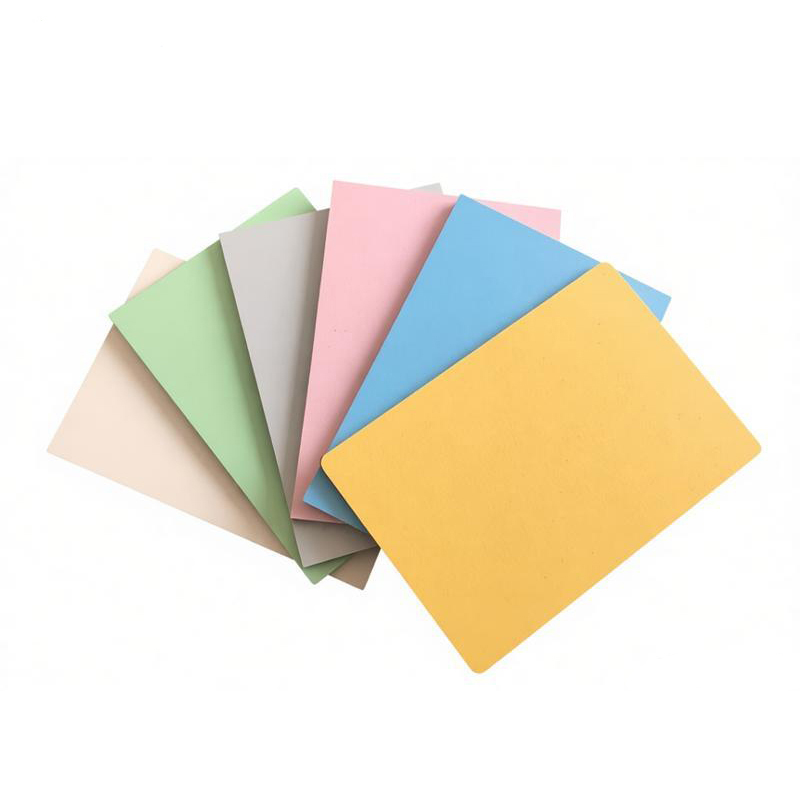
The thermal properties of fiber cement board make it a reliable choice for buildings that must meet stringent energy codes and sustainability standards. When integrated into wall systems and cladding applications, fiber cement board provides thermal mass and acts as a secondary thermal barrier, reducing heat transfer and stabilizing interior temperatures. The acoustic benefits are equally significant, as fiber cement board can be engineered to absorb and dampen sound transmission between spaces, creating quieter, more comfortable environments for residents and workers.
Fiber cement board contributes to thermal stability by providing thermal mass in building assemblies. The dense composition of fiber cement board allows it to absorb and slowly release heat, reducing temperature fluctuations and minimizing the load on heating and cooling systems. When fiber cement board is used as an external cladding or interior wall component, it moderates diurnal temperature swings and helps maintain consistent indoor climate control, directly reducing energy consumption and operating costs.
The thermal conductivity of fiber cement board varies based on thickness and density, but the material generally performs well as part of a comprehensive thermal envelope strategy. Buildings incorporating fiber cement board in their facade or partition systems report measurable improvements in heating season efficiency and reduced air conditioning demand during peak summer loads. This thermal performance makes fiber cement board an attractive option for projects targeting net-zero energy or high-performance building certifications.
Fiber cement board works synergistically with traditional insulation materials like mineral wool, fiberglass, and foam boards to create high-performance thermal assemblies. When placed as an exterior sheathing layer over foam insulation, fiber cement board provides structural support, fire protection, and weather resistance while the insulation layer handles the majority of thermal resistance. This layered approach allows designers to specify fiber cement board for its non-thermal attributes, including durability and moisture management, while achieving superior overall thermal performance through combined systems.
Contractors often specify fiber cement board in combination with air sealing practices and cavity insulation to maximize thermal envelope performance. The fiber cement board exterior layer reduces air infiltration when properly installed with appropriate sealants and flashing details. This combined strategy of thermal mass, insulation integration, and air sealing using fiber cement board delivers comprehensive thermal performance that significantly outperforms single-material approaches.
The porous microstructure of fiber cement board gives it inherent sound absorption characteristics that reduce noise transmission between adjacent spaces. Sound waves traveling through fiber cement board lose energy as they interact with the material's internal structure, resulting in measurable decibel reduction. When fiber cement board is used as a partition wall component or ceiling substrate, it effectively dampens impact noise, mechanical system noise, and external environmental noise, creating acoustically comfortable indoor environments.
Acoustic performance of fiber cement board can be further enhanced through strategic layering and cavity treatment. A partition system incorporating fiber cement board on both sides of a stud cavity filled with acoustic insulation provides superior sound isolation compared to single-layer drywall systems. Building designers specify fiber cement board in theaters, recording studios, offices, and residential buildings where acoustic privacy and noise control are priority requirements.
Multi-story residential and commercial buildings benefit significantly from fiber cement board acoustic properties, particularly in floor-ceiling assemblies where impact noise transmission is a concern. Fiber cement board used as a substrate layer beneath finished flooring or above suspended ceilings absorbs footstep noise, equipment vibration, and structural-borne sound that would otherwise transmit to adjacent units. This acoustic benefit improves tenant satisfaction and supports rental rates in competitive markets where quiet indoor environments are valued.
Fire-rated floor assemblies incorporating fiber cement board consistently achieve superior acoustic performance compared to lightweight drywall alternatives. The mass and density of fiber cement board contribute to both fire resistance and sound control, making it an efficient material choice for projects requiring simultaneous compliance with fire codes and acoustic standards. Building contractors report that fiber cement board specifications reduce callback issues related to noise complaints and resident dissatisfaction.
Fiber cement board maintains consistent thermal and acoustic performance throughout its service life because it resists moisture absorption, decay, and dimensional instability. Unlike wood-based materials, fiber cement board does not swell, shrink, or warp when exposed to humidity variations, meaning its thermal mass properties and acoustic characteristics remain reliable over decades. This dimensional stability ensures that wall assemblies and partition systems maintain their designed thermal resistance and sound control performance regardless of seasonal weather patterns or climate exposure.
The non-combustible nature of fiber cement board enhances building safety while preserving its thermal and acoustic contributions to the overall building system. Fire exposure does not compromise the structural integrity of fiber cement board or significantly degrade its performance in mixed material assemblies. This reliability makes fiber cement board a preferred choice for buildings in fire-prone regions or projects with stringent fire safety requirements where material consistency is essential.
While initial material cost of fiber cement board may exceed some alternatives, the long-term value proposition is compelling when thermal energy savings and acoustic performance durability are calculated over the building's service life. Fiber cement board requires minimal maintenance, does not require repainting or repair due to moisture damage or soundproofing degradation, and maintains its performance specifications without material replacement or recertification. This lifecycle cost advantage makes fiber cement board economically attractive for institutional buildings, healthcare facilities, and rental properties where operational cost minimization is a critical project objective.
Building owners and facility managers report that fiber cement board systems deliver predictable performance and reduced lifecycle costs compared to material alternatives that require periodic maintenance or respecification. The fiber cement board solutions available today incorporate pre-finished surfaces and factory-applied coatings that extend durability and reduce on-site installation requirements, further reducing total cost of ownership and project timeline.
Fiber cement board provides greater thermal mass than drywall, meaning it absorbs and releases heat more slowly, reducing temperature fluctuations and energy consumption. When used as part of a complete thermal assembly with insulation and air sealing, fiber cement board supports higher overall thermal resistance and more stable indoor temperatures. Standard drywall lacks this thermal mass benefit and contributes minimally to the building envelope's thermal performance.
Yes, fiber cement board is specifically engineered to resist moisture, making it suitable for bathrooms, kitchens, and wet wall applications without compromising acoustic properties. Unlike cellulose-based materials that absorb moisture and lose sound dampening ability, fiber cement board maintains both its thermal and acoustic performance characteristics in high-humidity environments. Proper installation with appropriate waterproofing membranes and sealants ensures that fiber cement board performs reliably in wet areas.
Sound reduction performance depends on the specific assembly design, but a double-layer fiber cement board system with cavity insulation typically achieves sound transmission class ratings between 50 and 60, effectively blocking most speech and mechanical noise. Single-layer fiber cement board provides moderate noise reduction, while multi-layer systems with decoupling and absorption materials maximize acoustic performance. Consulting with acoustic engineers ensures that fiber cement board specifications meet specific project noise reduction requirements.
 EN

