Modern architectural design demands materials that balance aesthetic ambition with practical performance requirements. Fiber cement board has emerged as a cornerstone material enabling architects and builders to realize contemporary visions while maintaining structural integrity and long-term durability. This engineered product combines the stability of cement with reinforcing fibers, creating a substrate that supports innovative design approaches across residential, commercial, and institutional projects. Understanding how fiber cement board aligns with modern architectural expectations helps design teams make informed material selections that enhance both functionality and visual impact.
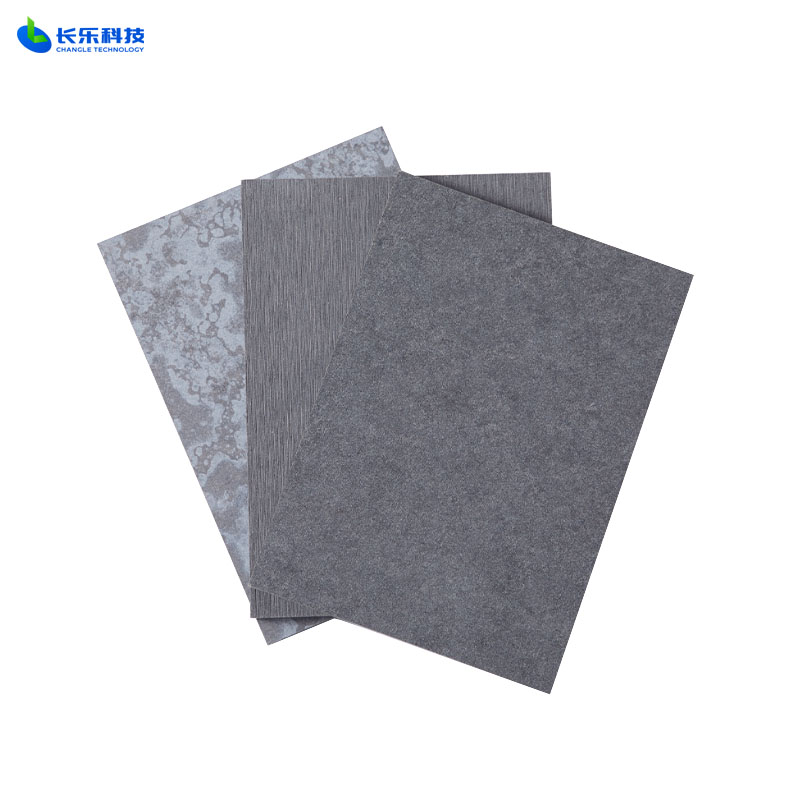
Architects increasingly specify fiber cement board because it delivers the performance characteristics that modern building codes, climate considerations, and design aesthetics require. Contemporary projects face pressure to achieve durability, weather resistance, fire safety, and dimensional stability simultaneously. Fiber cement board addresses these overlapping demands through its composite structure, which resists moisture penetration, maintains shape across temperature fluctuations, and provides reliable long-term performance in exposed environments.
Modern architectural designs frequently feature open facades, extensive glazing, and materials positioned in high-exposure zones where weather resistance is non-negotiable. Fiber cement board excels in these applications because its composite structure prevents water absorption at rates that compromise structural integrity. The cement matrix, reinforced by fiber networks, creates a barrier that sheds moisture rather than absorbing it, making fiber cement board ideal for cladding systems, soffit applications, and exterior trim where traditional materials might deteriorate. This resistance translates directly into reduced maintenance cycles and extended service life, aligning with sustainable design principles that contemporary projects prioritize.
Climate variability in modern building locations—from intense UV exposure to freeze-thaw cycles—demands materials that maintain stability across extreme conditions. Fiber cement board demonstrates minimal expansion and contraction compared to alternatives, preserving facade alignment and sealant integrity over decades. Architects designing in challenging climates rely on fiber cement board specifications to ensure that dimensional stability protects both aesthetic continuity and weathertight performance.
Contemporary building codes increasingly require fire-rated materials in specific applications, and fiber cement board meets or exceeds these regulatory expectations without chemical treatments that raise environmental concerns. The non-combustible nature of cement combined with inorganic fibers makes fiber cement board inherently fire-resistant, supporting projects that must achieve stringent fire classifications. This characteristic simplifies specification compliance and eliminates uncertainty about material performance during regulatory reviews.
Modern architects value materials like fiber cement board that satisfy fire safety requirements through inherent material properties rather than surface coatings. This approach ensures that fire performance remains consistent throughout the material's lifespan and isn't compromised by weathering or maintenance procedures that might compromise protective layers.
Contemporary architectural aesthetics demand materiality that expresses design intent—whether that involves subtle matte surfaces, sophisticated textures, or integrated color. Fiber cement board supports this design ambition through its receptive surface, which accepts coatings, paints, stains, and specialized finishes that architects specify for specific visual effects. The dimensional stability of fiber cement board ensures that finish applications remain uniform and consistent, preventing the checking, peeling, or color separation that plagues materials with movement issues.
Architects designing projects that require bold color statements or subtle earth-tone expressions find that fiber cement board provides a neutral substrate accepting the aesthetic vision without material drift or degradation. This compatibility with finish systems makes fiber cement board particularly valuable in contemporary designs where material authenticity and color precision support overall composition.
Modern design often requires materials that accommodate non-standard dimensions, curved applications, or integrated details that express architectural complexity. Fiber cement board can be fabricated into varied panel dimensions, cut to precise specifications, and incorporated into assemblies that realize design geometries. The material's workability enables architects to specify custom details without material compromise, supporting innovation while maintaining performance reliability. Whether designing modular cladding systems, custom panel assemblies, or integrated architectural elements, fiber cement board adapts to contemporary design complexity.
This dimensional flexibility positions fiber cement board as a preferred material for projects emphasizing custom design expressions rather than standardized assemblies. Architects can develop unique facade systems, bespoke trim details, and integrated elements that differentiate contemporary buildings using fiber cement board specifications tailored to specific design requirements.
Modern architectural practice increasingly emphasizes lifecycle assessment and long-term performance rather than initial cost alone. Fiber cement board delivers exceptional value through extended service life that reduces replacement cycles, material waste, and associated embodied carbon impacts. Contemporary projects designed around 50-year or longer operational expectations benefit from fiber cement board specifications that eliminate premature failure modes and maintain performance without intensive maintenance interventions.
Architects and building owners increasingly recognize that specifying durable materials like fiber cement board reduces total cost of ownership across the building's operational life. This shift toward lifecycle thinking makes fiber cement board particularly aligned with modern sustainability objectives that extend beyond initial material selection to encompass entire building system performance.
Contemporary design practices emphasize environmental responsibility, and fiber cement board supports these values through inorganic composition, minimal off-gassing, and compatibility with circular economy principles. The material's stability and durability mean that buildings constructed with fiber cement board maintain performance without chemical reapplication or surface treatments that introduce environmental concerns. This transparency about material composition appeals to architects and clients committed to responsible building practices.
Specifying fiber cement board demonstrates commitment to environmental stewardship by choosing materials that perform reliably without continuous chemical intervention or replacement cycles. Modern buildings emphasizing transparency, durability, and environmental responsibility incorporate fiber cement board as part of material strategies that align architectural ambition with sustainability principles.
Fiber cement board provides the moisture resistance, dimensional stability, and finish compatibility that contemporary facade systems require. Modern cladding strategies often incorporate fiber cement board as both structural backing and finished surface, simplifying assembly while maintaining weather performance, fire safety compliance, and aesthetic control. The material's reliability enables architects to design facade systems that express contemporary aesthetics without material performance compromise.
Yes, fiber cement board can be fabricated in custom dimensions, finishes, and configurations tailored to specific architectural requirements. Modern architectural firms frequently collaborate with material suppliers to develop specialized fiber cement board specifications that support unique design expressions, integrated details, or performance requirements. This customization capability positions fiber cement board as a flexible material supporting contemporary design innovation while maintaining reliable performance.
Fiber cement board combines non-combustible properties, exceptional weather resistance, and dimensional stability that high-performance modern buildings demand. Contemporary construction increasingly requires materials that satisfy fire codes, climate resilience expectations, and long-term durability requirements simultaneously. Fiber cement board meets these overlapping demands through inherent material properties, making it a trusted specification for buildings designed around performance excellence and extended service life.
 EN

