Fiber cement board has become a standard material in modern construction, prized for its durability, fire resistance, and aesthetic versatility across residential and commercial projects. However, installers and contractors frequently encounter challenges during fiber cement board installation that can compromise project timelines and structural integrity. Understanding the root causes of these fiber cement board installation problems and implementing proven solutions ensures superior results and reduces costly rework.
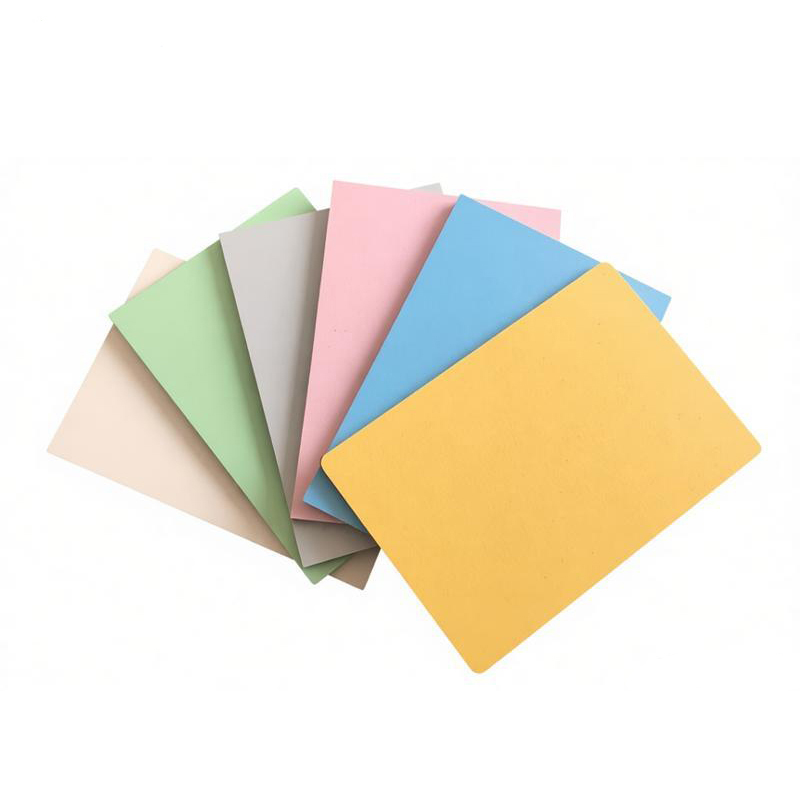
Whether you're working on exterior cladding, interior partitions, or specialized applications, fiber cement board delivers reliable performance when installed correctly. The material's inherent strength means that most installation failures stem not from material defects but from improper technique, environmental conditions, or inadequate preparation. By mastering practical fiber cement board solutions, you can eliminate common complications and deliver professional installations every time.
Cracking represents one of the most visible fiber cement board installation problems, typically occurring when the material absorbs moisture unevenly or experiences rapid temperature fluctuations. Fiber cement board naturally contains moisture, and fluctuations in humidity during storage, transit, or installation can trigger dimensional instability. When water penetrates the board before proper sealing, the fibers expand at different rates, creating internal stress that manifests as visible surface cracks in the fiber cement board.
Prevention begins with proper acclimation of fiber cement board before installation. Store boards in a covered, ventilated area for at least 48 hours before cutting or fastening to allow moisture equilibration with ambient conditions. Protect fiber cement board from direct rain or standing water during the installation window. Use breathable barriers or tarps that allow air circulation rather than plastic sheets that trap moisture beneath the surface.
Improper cutting generates stress concentrations that propagate into cracks across your fiber cement board after installation. Circular saws with carbide blades designed specifically for cement composite materials produce cleaner edges than standard masonry blades. Always support the fiber cement board adequately during cutting, and work from the finished face downward to minimize chipping. Avoid cutting fiber cement board in hot, dry conditions when the material is most brittle; moisture content directly affects how fiber cement board responds to mechanical stress.
When fastening fiber cement board, drilling pilot holes slightly larger than the fastener diameter reduces splitting significantly. Use stainless steel or corrosion-resistant fasteners spaced according to manufacturer specifications, typically 16 inches on center for wall applications. Fasteners driven too close to edges trigger splitting, so maintain at least 1.5 inches clearance from any cut edge of the fiber cement board. Hand-tightening fasteners rather than power-driving prevents over-compression that stresses the material and creates failure points.
Warping of fiber cement board occurs when differential moisture absorption causes the face and back surfaces to experience unequal expansion rates. One common fiber cement board installation problem involves installing boards in uncontrolled environments without managing temperature or humidity. Ideal installation conditions maintain temperatures between 50 and 85 degrees Fahrenheit and relative humidity between 30 and 85 percent. When conditions fall outside these parameters, delay installation or implement temporary climate controls to stabilize the fiber cement board environment.
Once fiber cement board is installed, continuing environmental management prevents long-term warping. Ensure proper drainage behind exterior fiber cement board cladding so water doesn't accumulate against the surface. Install ventilation layers that allow moisture to escape rather than accumulating behind the board. Interior fiber cement board applications require proper vapor barriers to prevent humid air from saturating the boards over months or years. These measures address the root cause of warping by maintaining consistent moisture levels in the fiber cement board throughout its service life.
Inadequate substrate preparation creates voids beneath fiber cement board that prevent uniform compression and allow localized movement. Before installing fiber cement board, inspect the underlying frame or substrate for flatness, using a straightedge to identify high and low spots exceeding 1/8 inch variation. Fill low spots with shims or leveling compounds so the fiber cement board transfers load uniformly across its entire back surface. Improper support distribution forces fiber cement board to span gaps, resulting in deflection and visible waviness.
The fiber cement board installation method itself influences warping resistance significantly. Install boards with the factory edges, which resist moisture better than cut edges, oriented toward high-water-exposure zones. Offset vertical joints between adjacent fiber cement board sheets by at least 16 inches to prevent stress concentration lines that propagate into cracks. Allow 1/8 inch gaps between sheets and between fiber cement board and adjacent materials to accommodate normal thermal and moisture movement without buckling.
Fastener pullthrough remains a persistent fiber cement board installation problem where screws or nails gradually withdraw from the material, creating voids and loss of structural integrity. This occurs most frequently when fasteners are undersized, over-spaced, or when the fiber cement board hasn't acclimated to job-site humidity before fastening. Stainless steel screws with large washers distribute load across a wider area than unfinished fasteners, dramatically reducing pullthrough risk in fiber cement board applications. Selecting fasteners specifically rated for cement composite materials ensures the screw thread geometry properly engages the material's structure.
Corrosion-resistant fastening is non-negotiable because standard steel fasteners oxidize in contact with the alkali-rich fiber cement board, expanding as they corrode and generating mechanical stress. This expansion forces fiber cement board to develop micro-fractures around fastener holes, weakening the material. Duplex-rated stainless steel or hot-dipped galvanized fasteners resist this degradation mechanism, preserving fiber cement board integrity over decades. The premium cost of corrosion-resistant fasteners is negligible compared to replacement costs when fiber cement board fails prematurely due to corroded hardware.
Insufficient fastener spacing causes high localized loads that exceed the bearing capacity of fiber cement board around each fastener. Code-minimum spacing often appears at the edge of acceptable performance; spacing fasteners closer together, particularly around high-stress zones near edges, significantly reduces pullthrough and related fiber cement board installation problems. For exterior applications, reduce fastener spacing from the standard 16 inches to 12 inches to account for wind loads and temperature cycling.
Fastening pattern geometry influences load distribution across the fiber cement board. Diagonal bracing patterns distribute loads more effectively than simple grid patterns, particularly in situations where dynamic movement occurs. Position fasteners to align with structural framing members, avoiding fiber cement board areas between studs or joists where bearing capacity is minimal. These strategic adjustments in fastening methodology address the fundamental cause of fastener pullthrough by distributing loads within the material's actual load-bearing capacity rather than exceeding local stress limits around individual fasteners.
Water infiltration through fiber cement board creates numerous downstream problems including internal deterioration, paint failure, and eventual structural compromise. Although fiber cement board resists water absorption better than wood, the material still requires protective finishing to achieve its designed service life. Applying quality exterior-grade primers and paints specifically formulated for fiber cement board creates a continuous moisture barrier that prevents water from penetrating beyond the surface. High-quality acrylic latex or elastomeric coatings accommodate the material's normal thermal movement while maintaining waterproof integrity.
Joint sealing between fiber cement board sheets represents a critical vulnerability where water frequently penetrates if not properly managed. Apply elastomeric caulking rated for exterior use into all joints between fiber cement board sheets and around penetrations for pipes or electrical fixtures. Select caulk compatible with your planned finish paint to prevent adhesion failures or cosmetic discoloration. Fiber cement board installed in high-moisture environments benefits from foam backer rod inserted into gaps before caulking, which provides structural support and reduces the caulk void volume that can crack during thermal movement.
Preventive maintenance extends fiber cement board service life significantly beyond installations that receive no ongoing attention. Inspect fiber cement board annually for caulk deterioration, paint peeling, or water staining that indicates moisture penetration. Address these issues immediately because localized water exposure rapidly degrades both the fiber cement board and underlying framing materials. Touch up paint in damaged areas and re-seal failed caulk joints before water reaches the structural substrate.
Routine cleaning removes algae, mildew, and debris that trap moisture against fiber cement board surfaces. Power wash installations at moderate pressure annually, ensuring water drains away rather than accumulating. Keep drainage paths clear and direct runoff away from fiber cement board to minimize moisture exposure duration. These maintenance practices represent minimal investment compared to the cost of replacing fiber cement board damaged by long-term water infiltration or structural failure.
Cracking in fiber cement board typically results from moisture-related dimensional movement if the material wasn't properly acclimated before installation or if environmental conditions shifted dramatically during or after installation. Temperature swings exceeding 30 degrees Fahrenheit combined with humidity changes cause fiber cement board to expand and contract at rates exceeding the design flexibility of caulk joints. Storage conditions matter significantly—fiber cement board exposed to rain before installation arrives on-site with elevated moisture content, making it more brittle. Additionally, dense or poorly ventilated backing behind fiber cement board traps moisture that continues causing dimensional instability months after installation completes.
Standard fasteners are not recommended for fiber cement board because the material's alkali chemistry accelerates corrosion in unfinished steel hardware, which then expands and damages the surrounding fiber cement board. Stainless steel fasteners, preferably duplex-rated grades, provide necessary corrosion resistance while delivering superior holding power through optimized thread geometry. Although corrosion-resistant fasteners cost more initially, they eliminate fastener-related failures that emerge months or years after installation. Using inadequate hardware represents a false economy that typically results in warranty claims and repair expenses exceeding the original fastener cost difference.
Properly installed and maintained fiber cement board performs reliably for 25 to 40 years or longer, depending on environmental exposure and maintenance frequency. Exterior applications in harsh climates experience greater stress than protected interior installations, reducing functional lifespan to 25 to 30 years compared to 35 to 40 years for interior or protected exterior applications. The material's durability depends critically on protective coatings remaining intact and maintenance protocols being followed consistently. Fiber cement board exposed to years of deferred maintenance ages more rapidly than installations receiving annual inspections and prompt caulk or paint touch-ups, potentially reducing effective lifespan by 10 to 15 years.
 EN

