The thickness of fiber cement board fundamentally determines how well it performs under environmental stress, structural load, and long-term weathering conditions. In industrial construction, building design, and exterior facade applications, selecting the correct thickness is not merely a specification detail—it directly influences durability, installation methods, cost efficiency, and project success. Understanding how thickness relates to real-world performance helps architects, builders, and facility managers make informed decisions that balance protection, longevity, and budget constraints.
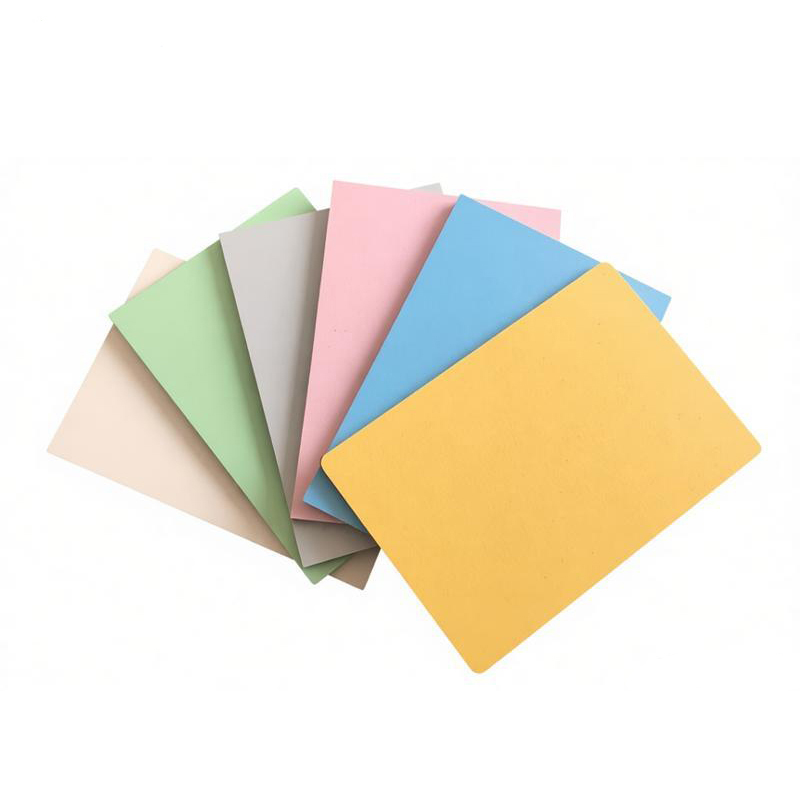
Fiber cement board comes in multiple thickness standards, typically ranging from 6mm to 12mm or beyond, each engineered for specific applications and performance requirements. Thicker fiber cement board panels generally offer superior strength, better impact resistance, and enhanced protection against moisture penetration, while thinner options provide lighter weight, easier handling, and reduced material costs. The relationship between thickness and performance is predictable and measurable, making it essential to align your material specifications with the environmental conditions, structural demands, and long-term maintenance expectations of your project.
Fiber cement board is manufactured in standardized thickness increments to meet industry specifications and performance benchmarks. Standard fiber cement board thickness options include 6mm, 8mm, 10mm, 12mm, and sometimes 15mm or custom profiles depending on regional codes and manufacturer capabilities. Each thickness designation reflects engineered performance data, including bending strength, impact absorption, thermal stability, and moisture resistance under controlled test conditions. Industrial applications typically require 10mm to 12mm fiber cement board for external walls and high-stress environments, while interior partitions and lower-exposure applications often utilize thinner 6mm to 8mm fiber cement board. Understanding these standards helps contractors and designers select appropriate fiber cement board specifications that comply with building codes and project requirements without over-specifying or under-performing.
Fiber cement board achieves its strength through carefully engineered composite structure combining cellulose fibers, Portland cement, silica, and reinforcing agents. Thicker fiber cement board contains more material volume and therefore greater fiber content and cement matrix, naturally increasing structural rigidity and load-bearing capacity. The manufacturing process ensures that density and fiber distribution remain consistent across all fiber cement board thickness grades, so a 12mm board does not simply contain twice the material of a 6mm board—it provides proportionally greater strength, stiffness, and environmental protection. This relationship means that selecting appropriate fiber cement board thickness based on application demands ensures the material matrix performs as engineered, maximizing protection and minimizing maintenance risk throughout the product lifecycle.
Fiber cement board thickness directly influences how much bending stress and point load the material can withstand before failure or deformation. Thicker fiber cement board exhibits exponentially greater bending strength—for example, 12mm fiber cement board can handle roughly 2.5 to 3 times more bending force than 6mm fiber cement board under identical test conditions. In applications where fiber cement board faces wind pressure, seismic movement, or structural vibration, increased thickness provides critical safety margins and reduces deflection. For exterior facades, load-bearing panel applications, and high-wind regions, specifying adequate fiber cement board thickness prevents premature cracking, maintains weathertight seals, and eliminates call-backs and costly repairs. Structural engineers often specify thicker fiber cement board in demanding applications precisely because the thickness directly translates to proven strength performance.
Moisture penetration is a primary degradation pathway for building materials, and fiber cement board thickness significantly affects how long it takes water to reach the substrate or interior layers. Thicker fiber cement board creates a longer diffusion path for moisture, effectively slowing water absorption and reducing the risk of internal rot, mold, or structural damage in wet environments. In coastal regions, high-rainfall areas, and applications with direct water spray, thicker fiber cement board provides measurably better protection compared to minimal thickness options. Additionally, thicker fiber cement board maintains dimensional stability better under cycling humidity and temperature fluctuations, reducing expansion-contraction stress that can compromise sealants and fasteners. For long-term durability in harsh environments, selecting thicker fiber cement board is an investment in extending service life and reducing lifecycle maintenance costs, making it economically justified despite higher initial material expense.
In cold climates, freeze-thaw cycling creates internal stress as moisture within fiber cement board expands and contracts with temperature changes. Thicker fiber cement board absorbs freeze-thaw cycles more effectively because the greater mass distributes stress more uniformly and the increased fiber network provides more restraint against internal expansion damage. Regions experiencing rapid temperature swings, persistent ice formation, or snow load stress see substantially better performance with 10mm or 12mm fiber cement board compared to thinner alternatives. The thermal mass of thicker fiber cement board also moderates temperature fluctuations within the material itself, reducing the rate of thermal cycling and the associated mechanical stress on the cement matrix and fiber bonds. Designers in cold climates typically specify heavier fiber cement board thickness specifically to maximize freeze-thaw durability and ensure the material survives extended seasonal exposure without surface spalling, internal cracking, or premature failure.
Exterior facade applications demand robust fiber cement board that resists continuous UV exposure, weather cycles, and mechanical impact from maintenance activities. Most building codes and manufacturers recommend 10mm or 12mm fiber cement board for rainscreen cladding systems, ventilated facade applications, and direct-exposure wall panels in commercial or industrial buildings. Thinner fiber cement board used in exterior applications increases risk of visible damage from hail, construction traffic, or installation errors, and provides marginally less weather protection. Premium commercial projects typically specify the thickest available fiber cement board to maximize visual appeal, minimize maintenance interventions, and protect the long-term investment value of the building envelope. The additional cost of heavier fiber cement board is quickly recovered through reduced warranty claims, fewer repair callbacks, and extended replacement cycles compared to minimum-thickness alternatives in demanding exterior environments.
Interior applications such as partition walls, soffit panels, and non-structural enclosures can successfully utilize thinner fiber cement board (6mm to 8mm) because they face reduced environmental stress and mechanical impact compared to exterior exposure. Interior fiber cement board benefits from stable humidity, controlled temperature, and protection from direct UV and weather degradation, allowing thinner material to meet performance requirements effectively. Selecting thinner fiber cement board for interior use reduces project cost, decreases installation labor (lighter panels are faster and easier to handle), and saves shipping and storage space. However, even for interior applications, fiber cement board should never fall below structural minimum standards for the specific application—partition walls still require adequate stiffness to prevent flexing or waviness, and any risk of moisture exposure (bathrooms, kitchens, mechanical rooms) justifies thicker specifications despite the interior location.
Specialized applications including acoustical treatments, impact barriers, and vibration-damping systems sometimes employ thicker fiber cement board (12mm and beyond) specifically for acoustic mass and vibration control rather than pure structural strength. The additional mass and internal fiber content of thick fiber cement board improve sound absorption characteristics and reduce vibrational transmission compared to thinner alternatives. Marine environments, industrial equipment enclosures, and high-vibration settings typically specify maximum fiber cement board thickness to maximize performance across multiple parameters including moisture protection, structural stability, and acoustic attenuation. Understanding the full performance envelope of fiber cement board thickness helps specialists select material that addresses the complete functional requirement, not just the primary load or weather exposure.
Thicker fiber cement board costs more per unit than thinner alternatives, typically 20% to 40% more for 12mm compared to 6mm material depending on market conditions and supplier volume. However, the lifecycle analysis of fiber cement board often reveals that thicker specifications save total project cost when factoring in reduced maintenance, extended replacement cycles, fewer warranty claims, and improved building durability. A facade specified with marginal fiber cement board thickness might require expensive restoration or replacement in 15 to 20 years, while thicker fiber cement board often provides reliable service for 25 to 30 years or longer in typical conditions. Smart procurement teams evaluate fiber cement board options not just by initial material expense but by total cost of ownership, facility downtime, environmental exposure risk, and the business impact of premature failure or degradation.
Selecting appropriate fiber cement board thickness begins with honest assessment of environmental exposure and mechanical stress the material will face over its service life. High-risk applications (coastal salt spray, extreme wind zones, intense UV exposure, heavy pedestrian traffic areas) justify thicker fiber cement board specifications as insurance against premature failure. Moderate-risk applications (standard climates, enclosed industrial settings, protected interior spaces) can often optimize fiber cement board by matching thickness closely to actual performance requirements without excessive specification. Low-risk applications (interior, sheltered, controlled conditions) may allow thinner fiber cement board without sacrificing durability. This risk-based approach to fiber cement board thickness selection aligns material investment with actual exposure conditions, optimizing budget efficiency while maintaining required performance margins across diverse project portfolios.
Thicker fiber cement board generally delivers superior performance in structural strength, weather resistance, and long-term durability compared to thinner alternatives. However, performance depends on the application context—using unnecessarily thick fiber cement board for low-stress interior applications wastes budget without proportional benefit. The optimal fiber cement board thickness matches the real environmental demands and structural requirements of the specific application, providing adequate safety margins without excessive over-specification. Professional specification of fiber cement board considers the complete exposure profile rather than automatically selecting maximum thickness regardless of context.
Insufficient fiber cement board thickness can lead to deflection, cracking under stress, accelerated moisture penetration, and shortened service life compared to properly specified material. Thin fiber cement board exposed to wind load, temperature cycling, or moisture stress may fail or degrade within 10 to 15 years, requiring expensive replacement or restoration. Building envelope failures from under-thickness fiber cement board create water intrusion risk, interior damage, potential mold issues, and substantial repair costs that exceed the initial savings from selecting cheaper, thinner material. Proper specification of fiber cement board thickness upfront prevents these costly failures and protects the building asset over its intended service life.
Building codes vary by region and climate zone, with codes in cold, coastal, or high-wind areas typically mandating thicker fiber cement board to ensure durability under extreme environmental stress. Local wind speed ratings, freeze-thaw cycles, seismic activity, and rainfall patterns directly influence minimum fiber cement board thickness requirements written into municipal building standards. Architects and contractors must verify applicable building codes before specifying fiber cement board to ensure compliance and avoid expensive re-specification or project delays. Consulting with local building officials and reviewing relevant standards ensures fiber cement board thickness meets legal requirements and provides appropriate safety margins for the specific geographic location.
 EN

