Selecting the right fiber cement board size is essential for achieving optimal performance and cost efficiency in construction projects. Different applications demand specific dimensions and thicknesses, and understanding these requirements ensures proper installation, structural integrity, and long-term durability. Whether you are working on residential siding, commercial facade applications, or interior wall systems, choosing the appropriate fiber cement board specifications directly impacts project success and material waste reduction.
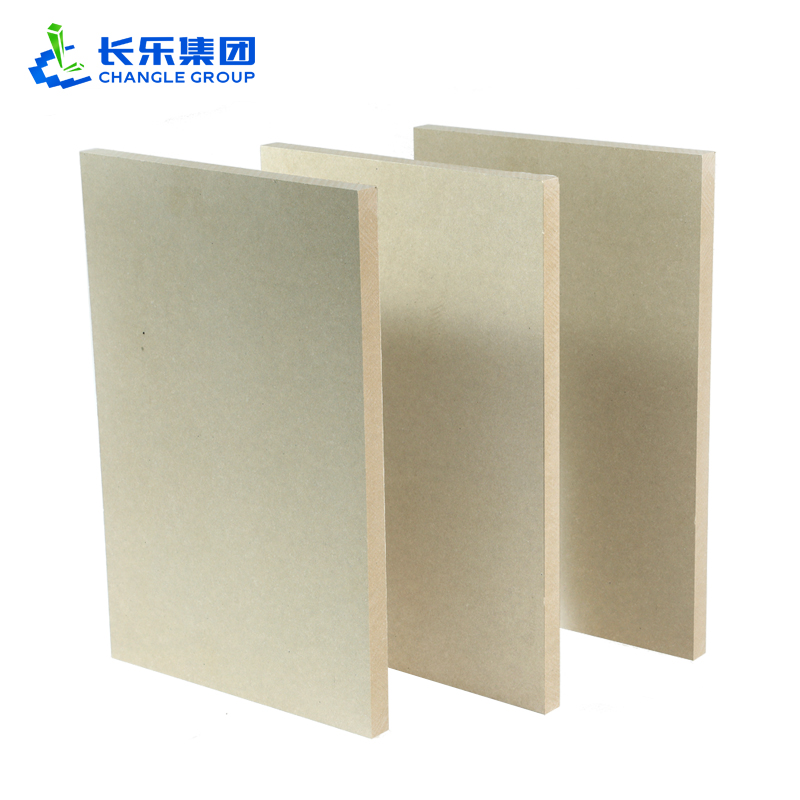
The construction industry relies heavily on fiber cement board products because of their durability, fire resistance, and weather protection capabilities. However, not all projects use the same board dimensions, and mismatched sizing can lead to installation difficulties, increased labor costs, and compromised performance. Understanding the range of available fiber cement board sizes and how to match them to specific construction needs is a critical skill for architects, contractors, and project managers in modern building design.
Standard fiber cement board dimensions typically come in widths ranging from 2.5 feet to 4 feet, with lengths extending from 8 feet to 12 feet. Most manufacturers produce fiber cement board sheets in 4-foot widths by 8-foot and 10-foot lengths, which align with typical framing intervals and minimize waste during installation. The 4-foot width is particularly popular because it matches standard wall stud spacing, allowing contractors to install fiber cement board efficiently without requiring horizontal seams at mid-height, which reduces aesthetic concerns and potential water infiltration points.
Specialty projects sometimes call for non-standard fiber cement board dimensions, and some manufacturers offer custom sizing options for unique architectural requirements. Understanding these standard fiber cement board dimensions helps contractors estimate material quantities accurately and plan cutting layouts to minimize waste. Selecting the correct length of fiber cement board at the start of a project prevents unnecessary cuts and site-level handling challenges that can increase labor costs.
The thickness of fiber cement board varies significantly depending on the intended application, ranging from quarter-inch to half-inch boards. Quarter-inch fiber cement board is commonly used for interior wall applications, soffit panels, and light-duty facade systems where structural contribution is minimal. Half-inch fiber cement board is preferred for exterior siding, roof sheathing, and structural applications where the board contributes to overall wall rigidity and weather protection performance.
Three-eighth-inch fiber cement board represents a middle ground and is frequently selected for mid-range applications where both durability and cost considerations matter. The choice of fiber cement board thickness directly affects installation methods, fastener spacing, and overall project cost. Thicker fiber cement board products generally offer superior structural performance and longer service life, justifying higher material costs in critical applications like coastal regions with high wind exposure or areas with severe weather conditions.
Residential construction typically employs half-inch fiber cement board in standard 4-by-8 or 4-by-10 configurations for exterior wall cladding. This thickness and size combination provides adequate weather protection, wind resistance, and aesthetic appeal while remaining economical for typical single-family homes. Residential contractors often prefer fiber cement board in these standard sizes because they reduce installation time and align with conventional framing practices found in most residential projects.
When fiber cement board is used for residential soffits, fascia, or decorative trim applications, contractors may select thinner boards or smaller custom dimensions to simplify cutting and achieve specific architectural details. The durability of fiber cement board in residential settings extends the time between repainting or refinishing cycles compared to traditional wood products, making it an attractive long-term investment despite higher initial material costs. Proper sizing of fiber cement board for residential applications also improves moisture management and reduces the risk of rot or structural degradation over decades of service.
Commercial construction projects frequently require fiber cement board in larger formats or custom dimensions to accommodate unique structural designs and aesthetic requirements. High-rise buildings and large commercial facades often utilize full-size or oversized fiber cement board sheets to reduce installation seams and enhance fire performance ratings. The superior durability and fire-resistance properties of fiber cement board make it particularly valuable in commercial settings where building codes require enhanced safety performance and long-term maintenance predictability.
Industrial facilities, including food processing plants, chemical storage areas, and manufacturing spaces, benefit from fiber cement board because of its resistance to moisture, temperature fluctuations, and chemical exposure. These demanding environments often require premium-grade fiber cement board in specific thicknesses and sizes tailored to particular equipment layouts or containment needs. The selection of appropriate fiber cement board dimensions in industrial settings directly impacts worker safety, regulatory compliance, and operational efficiency.
Contractors must carefully plan fiber cement board cutting layouts during the estimating phase to minimize waste and maximize cost efficiency. Selecting fiber cement board sizes that align with project dimensions reduces the number of cuts required and decreases labor time on site. For projects with irregular wall layouts or numerous openings, the waste percentage from standard fiber cement board sizes can range from 10 to 25 percent, making accurate sizing calculations crucial for budget accuracy.
The weight of fiber cement board increases proportionally with size and thickness, affecting handling requirements, equipment needs, and labor safety considerations. Larger sheets of fiber cement board require mechanical lifting equipment or additional crew members, which increases labor costs and project timeline impacts. Understanding these practical constraints helps project managers select appropriate fiber cement board dimensions that balance material cost savings with reasonable installation feasibility and workplace safety standards.
The fastening pattern and joint spacing for fiber cement board installation depend significantly on board thickness, size, and application type. Thicker fiber cement board products can support wider fastener spacing, while thinner boards require closer intervals to prevent deflection and ensure long-term performance. Proper spacing of fiber cement board joints accommodates thermal movement and moisture expansion, preventing stress concentration that could lead to cracking or fastener failure over time.
Understanding how different fiber cement board sizes interact with framing members helps specify appropriate fastening systems and sealant strategies. Wider fiber cement board sheets reduce the number of vertical joints, improving weather resistance and reducing maintenance requirements. Contractors familiar with these technical relationships can optimize fiber cement board specifications to achieve superior long-term performance and reduced lifecycle costs for their projects.
The most widely available fiber cement board sizes are 4 feet wide by 8 feet and 10 feet long, with thicknesses ranging from quarter-inch to half-inch. These standard fiber cement board dimensions are produced by most manufacturers and readily available through building supply distributors. Specialty sizes and custom fiber cement board dimensions can be ordered for specific projects, though minimum order quantities and lead times may apply.
The appropriate fiber cement board thickness depends on the intended application and performance requirements. Exterior siding and structural applications typically require half-inch fiber cement board, while interior walls and non-structural uses may work well with quarter-inch or three-eighth-inch boards. Consulting project specifications, building codes, and manufacturer recommendations ensures that selected fiber cement board thickness meets all safety and durability requirements.
Yes, fiber cement board can be cut to custom dimensions using standard power tools, though proper dust control and safety precautions are essential due to silica dust exposure. Cutting fiber cement board on site increases labor costs and generates waste, so pre-planning optimal fiber cement board sizing during the estimating phase is more cost-effective. Many suppliers offer factory-cut fiber cement board orders if sufficient lead time is available, allowing projects to receive pre-sized boards that minimize field work and improve installation efficiency.
 EN

